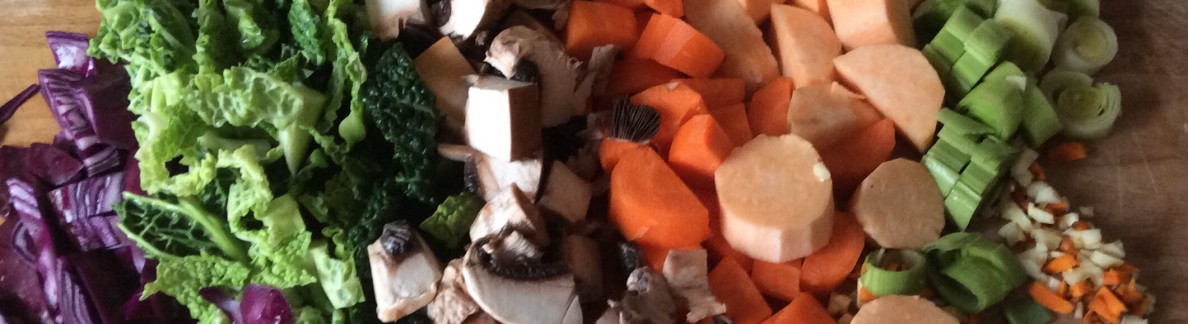
Zesty Orange Squash Soup – Yes, Really!

img_3106We had 2 butternut squash, several oranges and a lot of dried lemonbalm from our garden queuing up, begging to be used, so I decided to try some of them together. I’ve had squash with nutmeg, squash with cumin and squash with ginger, I wondered what squash with orange would be like.

Lemonbalm is traditionally a calming herb, used to reduce anxiety and stress, promote sleep and good digestion.

Squash, like carrots, have a large amount of Vitamin A and C, and it is a good source of B Vitamins, Vitamin K for bone health,  various minerals and dietary fibre.

So here goes:

 Vegan, Gluten-free and Organic where posssible.

All measurements approximate and substitute what you don’t have.

img_3099

Ingredients

1 Tsp Raw Virgin Coconut Oil

1 Butternut Squash, peeled and chopped

1 Large Carrot, if organic wash and leave peel on, chop

1 Stick of Celery + leaves, chopped

Handful of Sugar Snap Peas, washed, topped and tailed, chopped

1/2 Courgette, washed and chopped

Dried Lemonbalm

Black Pepper

1 Low Salt Vegetable Stock Cube

dissolved in

Approx. 600 mls hot water, enough to amply cover the veg

with a good squeeze of

Tomato Puree

Splash of Tamari

1/4 Small Orange, juice and zest

Method

Heat the oil in a large saucepan until the vegetables sizzle when added, but not smoking.

img_3100Add a handful at a time, starting with the squash and carrots, then celery, stir-frying as you go until all are added.

Place the lid on and sweat the veggies on a low heat for about 15 minutes, stirring occasionally. (I omitted ‘the veggies’ the first time around and it read a bit funny! I could hear the sniggering at the back of the gallery).

Add a good amount of lemonbalm, about 2 tbsps of crunched up leaves, and a few twists of black pepper.

Pour in the stock, tamari and tomato pureeimg_3102
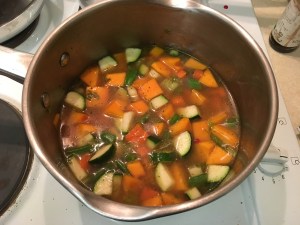
Place the lid on and lightly simmer (not boil) on a low heat for about 45 minutes until the veggies are cooked enough to blend.

img_3103

Remove from heat, taste and adjust seasoning. Cool a little, then partially blend with a stick blender, leaving something of a bite to the soup.

Add a good squeeze of orange juice and a little zest. Stir in and serve.

I had it with lentil sprouts and a toasted slice of Vegan Gluten-Free Tiger Nut Loaf/Bread Mk III spread with tahini, my husband had his with crispy white rolls.

img_3110

Copyright: Chris McGowan

Warming Sweet Potato & Ginger Soup

img_2883This is a favourite in our house, it is so simple and quick to make and makes a very welcome lunch or dinner on a cold winter’s day. It takes less than an hour to make and you can make it as thick or thin as you like and spicy or not according to your tastes. We prefer to blend it with a stick blender to thicken it up, but leave it a little coarse. We steamed a little broccoli for garnish and extra nutrients.

Sweet potatoes and carrots are a good source of beta-carotene, for healthy eyesight, while sweet potatoes also contain Vitamin D, B vitamins, iron and magnesium – necessary for relaxation of mind and muscles; celery contains potassium, B vitamins and, like carrots, is a good source of Vitamin K, necessary for bone health; ginger is anti-inflammatory, anti-fungal and anti-bacterial. Broccoli is a good plant source of calcium, B vitamins and protein. The yeast extract contains protein and B vitamins, including B6 and B12, important for vegans. So now you’re good to go!

All measurements are approximate and all ingredients are vegan, gluten-free and organic where possible. Hence, we scrub the veggies and leave the skin on for more nutrients and more flavour.

img_2880

Ingredients

1 Tsp Raw Virgin Coconut Oil

3-4 medium Sweet Potatoes, chopped

3-4 Medium Carrots, chopped

1/2 a Stick of Celery, chopped

1-3 thin slices of Ginger Root, depending how thick the root is and how spicy you want the soup, very finely chopped

1 Tsp Yeast Extract, we use Natex as is low salt and has a slight herbal taste.

1 Low Salt Vegetable Stock Cube

dissolved in about

500 mls of hot water (enough to cover the veggies)

Black Pepper

A few small florets of Broccoli to steam for garnish

Method

Melt the oil. When hot but not smoking, add the ginger and stirfry for a few seconds before adding all the other veggies except the broccoli.

Add some Black Pepper.

(Black Pepper aids absorption of nutrients as well as adding flavour).

Stirfry for a minute or so, mixing them up as you do, then turn down the heat, place a lid on the pan and allow to sweat for about 15 minutes, stirring occasionally.

Add the stock and Natex, turn the heat up a little, but try not to allow it to boil. Replace the lid and reduce the heat to a gentle simmer.

Leave to cook for about 40 minutes, until the veggies are done but not falling apart.

Steam the broccoli.

Turn off the heat, remove the pan and blend with a stick blender.

For a more substantial meal, you could place some cooked orange lentils or organic brown basmati rice in the bottom of the bowl before ladling the soup over the top. 

Top with the broccoli or, alternatively, some bean sprouts.

img_2662

Serve with crusty bread.

PS. Look out for Zesty Orange Squash Soup, coming soon!

Copyright: Chris McGowan

Where to Get Nutritional Advice for Young Vegans and Newbies

Just a quick post to pass on this link fom The Vegan Society which gives nutritional advice for young children, 11-18 year olds and those new to vegan eating. It includes the importance of breakfast, calcium, omega 3, Vitamin D, iodine, B12 etc. with suggestions for meals and sources of these nutrients.

It is by no means comprehensive and it is important to do your own research regarding the issue of using supplements or not.

My view is that it is always better to get your nutrients from real food where possible, supplements come in such a variety of forms, strengths and quality, often have fillers and they are expensive and not always absorbed sufficiently by the body.

Isolating particular nutrients doesn’t always work since when they occur within real food, they are accompanied by lots of micro-nutrients which aid their metabolism and absorption, which isn’t always the case with supplements.

This is why it is important to consume foods containing Vitamin C with foods containing iron, for instance. That’s also the reason not to peel where appropriate as these micronutrients are found just under the skin.

However, there are cases where supplementing might be appropriate, but it is wise to seek advice from a qualified practitioner.

This article is a good start, along with Teen Vegan, a safe not-for-profit social network for 12-19s with lots of advice, opportunities to volunteer making care packages for local homeless people and summer camp activities.

Another great resource is Vegan Fitness TV (recently renamed Family Fizz TV) on YouTube. They are a family of four, the parents are very into fitness, training etc but are very down-to-earth, using convenience foods as well as fresh foods and regularly test out new products. The two young girls in the family also have their own channel.

Vegan Kids (What an 11 year old eats in a day)

Vegan Kids (What a 5 Year Old eats in a day)

The two sisters do their own videos, they are delightful, so confident, lively and have a lot of fun.

Don’t forget, all the recipes on this blog are Vegan and Gluten-free and and you can find additional advice on Becoming Vegan in the blog Menu.

Copyright: Chris McGowan

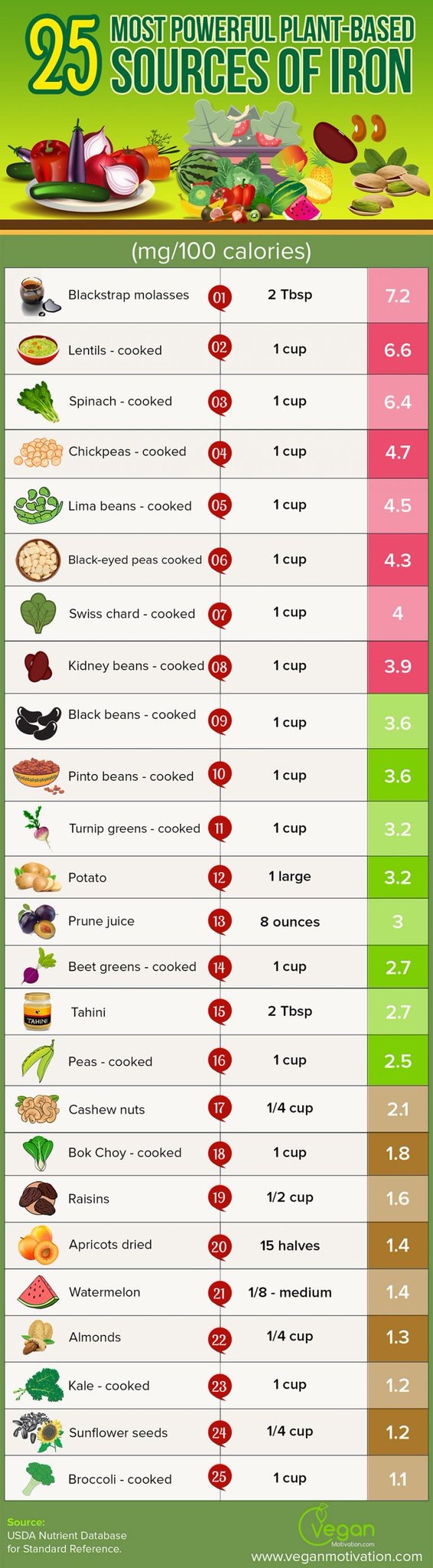
Where Do I Get Iron on a Vegan Diet?

Here:

img_2925

Plus Figs, Dried Peaches, Mangoes, Goji Berries, Golden Berries, Spirulina, Watercress, Moringa Powder, but best of all for chocolate lovers is that Dark Chocolate (over 75%) and Cacao contain lots more iron than beef!

Other sources of iron include wholegrains: Quinoa, Barley, Bulgar Wheat, Oats, Rice. Other Nuts: Macadamias, Walnuts, Pecans and Pistachios. Homemade Nut Milks (see the Menu for recipes). Other Seeds: Pumpkin, Squash, Chia, Hemp. 

Plant sources of iron are not as easily absorbed as animal sources but it is simple to obtain enough through eating a rainbow of foods every day.

In fact, vegans with a varied diet consume more bioavailable iron than meat-eaters and vegetarians.

Dairy milk interferes with the absorption of iron.

There are many more plant-based sources of iron, even in small amounts, so eating a wide variety of foods will do the job.

Vitamin C aids the absorption of plantbased Iron, and if you’re on a healthy vegan diet full of fruits and vegetables, this will not be a problem at all.

Sprouting enhances the bioavailability of iron as well as other essential nutrients, including Vitamin C to aid absorption. It is easy to sprout all kinds of beans and seeds – we sprout mung beans, alfalfa, broccoli, lentils, chickpeas.

My post Sprouting for Health, Energy and the Environment! will show you how, and provide more information on the benefits of sprouting.

Please Note: It can be dangerous to take iron supplements unless under the supervision of your doctor.

Vegetarian Times  have a great article on How Much Iron is Enough and how to get the required amounts.

One Green Planet have a good article on Ten Plant-based Foods Packed With Iron.

Copyright: Chris McGowan

Where Do I Get My Calcium On A Vegan Diet?

Here:

  • img_1891

And here:

img_6550

here too:

img_6552

I would also inlcude Watercress, Parsley, Swede, Rocket, Tiger Nuts, Plant Milks, and Hard Water.

It is a longheld myth that humans need cow’s milk in order to build strong bones. 

In fact, cow’s milk is made for the calves they produce which need to grow large bones and grow into large animals, they have the required digestive system to break it down and absorb the calcium content.

Calves grow to approximately eight times their birthweight by the time they are weaned and never drink milk again.

Humans make less and less of the enzyme needed to break down dairy milk as they get older – only young children have enough of the enzyme – which can lead to lactose intolerance and several health issues.

The type of calcium in dairy milk is barely absorbed by humans and is different from the type of calcium in plant foods.

Plant-based calcium is more bioavailable to humans.

img_6369

  • Many people, including babies and children, are allergic to dairy milk, they develop normally on non-dairy sources of calcium.
  • Many populations around the world don’t drink dairy milk, yet display no overall deficiency in calcium.
  • American women are among the biggest consumers of dairy milk, yet they have one of the highest percentages of osteoporosis.
  • Chinese people don’t eat or drink dairy milk and consume half the amount of calcium of most Americans, yet there is hardly any osteoporosis.
  • Dairy milk washes the calcium we already have from our bones and this can lead to osteoporosis.
  • Dairy milk is allowed by law to contain a certain amount of chemicals, growth hormones, antibiotics and pus (yes, pus!)
  • Most dairy herds are fed on GMO feed, so even if you avoid these in weekly shopping and home cooking, if you drink milk or eat meat, you are almost certainly consuming GMOs.
  • Many large mammals have plantbased diets: Elephants, Rhinos, Zebras, Moose, most Gorillas, Hippos, Yak, Bison – no-one asks where they get their protein/calcium from (they wouldn’t dare!).
  • Consuming large amounts of dairy milk can cause iron deficient anaemia in young children because they drink so much milk they have no room for other better sources of iron.
  • One family member has a condition which requires him to have a very low-protein diet. He has never had dairy products or meat. He is a strapping, healthy, active young man who is an outdoor activities leader specialising in canoeing, climbing and snowboarding, and a keen cyclist.
  • Exercise, especially the weight-bearing kind, is a good way to increase your bone density.

Who would think even fruits are good sources of calcium?

img_6551

My youngest toddler grandson is very strongwilled when it comes to food and unless it is fruit or pasta, forget it! Yet he is tall and strong and has so much energy he literally has to be fed on the go as he whizzes past on his next mission to create chaos and mayhem! His parents are very sneaky, though: he loves his dad’s freshly-made fruit and vegetable juices and smoothies which are full of all sorts of plants, nuts and seeds that he would vociferously object to if put on his plate!

Surprisingly, too, many herbs are high in calcium.

Mind Body Green have a great infographic explaining why calcium is essential, how much you need at various ages and according to gender, plus a list of plant-based sources.

Many Americans are deficient in calcium, especially teenage girls and women over 50, but it is easy to include enough of this mineral with a little self-education and thought. Some foods may be unfamiliar, but these days are easily accessible via online stores and there are many sites and books showing you how to use them. Three years ago, I had never heard used chia seeds, goji berries, lucuma fruit powder, goldenberries and so on, but now they are staples along with nut butters and tahini (sesame paste).

You can find recipes for homemade Nut, Seed and Tiger Nut Recipes in the Menu – Tiger Nuts are actually tubers and so are suitable for those with a nut allergy. They make lovely naturally sweet and creamy milk, full of vitamins, minerals and probiotics. It is very popular in Spain where it is known as Horchata.

It is important to note that Spinach contains oxalate which prevents the absorption of its calcium content.

Salt and Caffeine also inhibit calcium uptake.

It is also important to note that calcium supplementation can be dangerous: it can cause an imbalance in essential minerals in the body, overwork the kidneys, cause kidney stones to develop, create cardiovascular problems from calcium deposits and lead to many other health issues.

Sources: The Vegan Society and Vegan Community on Instagram

The Guardian

The Global Healing Centre

as well as courses and articles, too many to mention, and my own experience.

Hope this helps!

Copyright: Chris McGowan

Where Do I Get My Protein on a Vegan Diet?

Here:

img_4582

And here:

(I would add Nutritional Yeast, Kale, Sunflower seeds, Romaine Lettuce, Sprouted Seeds & Beans, Mushrooms and Corn to that last)

img_6548

The truth is, it is extremely difficult in Western society to be deficient in protein.

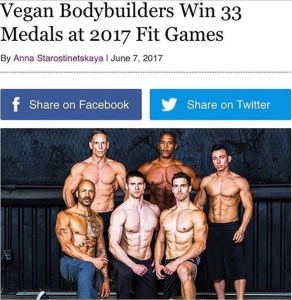
You don’t even need thick steaks if you’re a bodybuilder or any other kind of meat or dairy product if you’re a top-notch athlete: there are many top bodybuilders, ironmen, ultra-marathon runners and other sports people who are vegans.

IMG_7912

Several members of the US Rio Olympic team are on a plantbased diet. Champion tennis players Serena and Venus Williams are on plantbased diets and Novak Djokovic recently opened his own vegan restaurant. Arnold Schwarzanegger is advocating transitioning to a plantbased diet! Former President Bill Clinton changed to a vegan diet when he had bypass surgery. Carl Lewis, champion athlete, also competed on a vegan diet.

img_6370

Almost all wholefoods contain some protein to varying amounts, so all you need to do is eat a wide variety of *real* foods, as opposed to processed, chemical-laden sugary ‘foods’ that call themselves vegan and you will get all the quality protein and nutrients you need.

Excessive protein intake can overload the kidneys, make them work harder and cause dehydration.

Research from Australia and the US shows that a varied vegan diet is healthy for both children and adults. Even the the latest US eating guidelines advise more plantbased foods.

I had a meat-eating pregnancy and a vegetarian pregnancy, guess which was healthiest and easiest? The vegetarian one by far. My children were brought up vegetarian, one has always been a keen sports enthusiast and an on-again-off-again vegan, athlete, orienteer, climber and cyclist, while the other has done gymnastics, horse-riding, running, become a lifeguard and gym enthusiast, but nowadays mostly enjoys yoga, swimming and cycling.

One family member has to have a low protein diet for medical reasons and has been plantbased all his life, he’s an outdoor activities leader and specialises in canoeing and climbing.

The babies and toddlers in our family are initially brought up vegan, until they want to choose foods for themselves. Even the ones who choose to occasionally include meat still have a mostly vegetable and fruit content to their diet and all are active, with the older ones being keen cyclists, swimmers, basketball players and Kung fu exponents!

Vegan food is not all brown and boring!* (see below for links to recipes).

It’s mostly about educating yourself and cooking from scratch as much as possible, but you can still find quality vegan convenience food and snacks. And you don’t have to spend hours creating special meals. That certainly wouldn’t work in our household! There are recipes in the blog menu for both savoury, sweet and raw vegan meals as well as some healthy snacks. Instagram is also a great place to find vegan accounts and websites for advice and recipes.

Resources: Vegan Family TV a YouTube channel run by a couple with two young children, it’s fun and informative about their everday lives as vegans. They regulalry try out new products and the girls do their own broadcasts.

The Vegan Society has an article which includes protein requirements and protein sources.

PS Here is a link to a short, informative article about the current trend for protein shakes, protein-added products, the possible overdosing on protein and its feared health repercussions in 10-15 years’ time, especially on teenage boys and men:

Are You Overdosing On Protein?

*See 3 Vegan Meals with Chilli, Quinoa, Tacos & Steamed Veg (but no Quorn!)

Rocket (Arugula) Salad with Sweetcorn, Walnut Slaw, Crisp Red Apple & Lemon Tahini Dressing

Berry Chia Breakfast Jar

Warm Apricot & Ginger Rice Salad with Tamari-Splashed Garlic Mushrooms

Copyright: Chris McGowan

Cal’s Sweet ‘n’ Sour Red Cabbage

image

This was my grandson, Cal’s, contribution to our family achristmas meal last year and is a great way to spruce up this traditional winter vegetable. It takes up to 2 hours to cook on the hob at a gentle simmer and is even better the next day when all the flavours have blended together. (See below for YouTube video of Sia’s Elastic Heart feat. Shia Laboeuf & Maddie Ziegler to watch while it’s cooking!)

It makes a welcome change from the annual jar of pickled red cabbage in the middle of the table at this time! In our house its only purpose seems to be to stain the tablecloth and then sit half-full at the back of the fridge for several months until I decide I can legitimately throw it out without anyone complaining!

Red Cabbage is packed with fibre, vitamins and minerals – including B6, Folate, Vitamin A, C, and K, Calcium, Iron and Magnesium. It also contains the antioxidants Lycopene and Anthocyanin’s (they give red vegetables and fruits their colour), which help protect against cancer and are heart healthy.

In other words, Red Cabbage is Good For You!

Word of warning: it stains!

All measurements and timings are approximate

Ingredients

1 Tbsp Coconut Oil

1/4 to 1/2 Red Cabbage, depending on size, washed and chopped small or shredded

1 Cooking Apple or Tart Dessert Apple, chopped

1 Small Onion, diced

1 Tbsp Apple Cider Vinegar or Red Wine Vinegar

1 Dssp Raw Coconut Palm Sugar*

Handful Raisins

1 Tsp Organic Fruit Spread (no refined sugar or nasties!)

1/4 Tsp Cinnamon

Some Grated Whole Nutmeg, sparingly as it’s quite strong

Optional: Chopped Walnuts

Method

Melt the coconut oil and when hot, add onions and allow to sweat, gently, stirring occasionally

After a couple of minutes, add red cabbage and sweat for a few minutes, stirring occasionally

Add apple, vinegar, raisins, sugar, fruit spread and spices

Cover and cook on very low heat for up to 2 hours or until it is the desired texture and consistency

Stir occasionally

Adjust seasoning

Add chopped walnuts, if using, when nearly done and a few more to garnish

I like a bit of a bite to the cabbage, but others like it well cooked.

It goes well with nut roast, vegan sausages and so on. Here I have placed it centre-stage, surrounded by home-sprouted mung beans. (Apologies for the picture, this was one of my early posts when I was unused to taking food shots and there’s absolutely no natural light at this time of year). 

*http://www.therawchocolatecompany.com

Copyright: Chris McGowan

The Gift of Kindness At Christmas

IMG_1098At Christmas, it’s easy to get caught up in the seasonal excitement of buying and exchanging often expensive gifts we can’t afford and they don’t really need. We look forward to seeing the faces of our loved ones light up when they open our presents, the all-round smiles say it all. But sometimes it can be just a temporary happiness: the item breaks down, doesn’t fit, goes out of fashion or needs updating, it wasn’t the right model, they already have two… And then the credit card bill often provides one heck of a shock in January.

Many of us are feeling the pinch this year and Christmas can be a worrying time financially. But there are other ways of giving that bring joy and make a positive difference to the lives of the recipients which won’t almost bankrupt us when the festive season is over. There are savings we can make that could also allow us to help others in a small but significant way. (See later in the post for ways of helping others this Christmas).

Do we really need such a big tree, so much alcohol? How much do we overeat and drink only to bemoan the extra pounds on our bodies and the lack of pounds in our pockets? How much rich food gets thrown away?

IMG_1084 How many of us buy and post cards and then also wish our friends and relatives ‘Seasons Greetings’ in person or by text or social media as well?! Stamps are expensive but most people have email or can receive texts, we can send our greetings for free with news and photos of the family, for example. There are some lovely animated ecards available, see my suggestions later

Here are some ideas for spreading some Christmas cheer that will hopefully last throughout the year, some can be given as Christmas gifts to those who already have all they need and introduce children to the real message of Christmas: the gift of kindness, compassion and consideration. (For US readers, Tamara at The Purple Almond blog has written a Post listing non-profit companies who sell beautiful gifts and give back to good causes).

CARDS

  • Apart from elderly friends and relatives, we are sending seasonal greetings by email and using the money saved on cards and postage to buy food for our local food bank.
  • If you would like to send a more personalised greeting, for £9 a year to http://www.jacquielawson.com you can send as many beautiful animated cards as you like throughout the year.
  • The cards we do send will as always be either homemade from recycled items or bought direct from charities so that they receive all the profits. Even if you buy charity cards from stores, they take their cut too so the charities only receive a percentage of the price of the cards.
  • Years ago, we realised that colleagues who worked within inches of each other would wish each other a Merry Christmas *and* give everyone an individual card as well. This seemed crazy and we initiated a Christmas whip-round in lieu of cards that would be donated to a local charity which everyone voted on each year, Air Ambulance and the local hospice being favourites.


  • This year I have been painting and découpaging rocks to leave on my neighbours’ doorsteps in lieu of cards – link here to see how.
  • If you have access to foliage, you can make your own Christmas displays –much cheaper and more satisfying than buying them.


There are many people for whom compassion and kindness would be the best gift of all this Christmas. Often, all that is required is a little thought and some of our time. Perhaps you remember when you were in need but are now able to ‘pass it forward?’

SUPPORT THE ELDERLY & VULNERABLE

  • An elderly relative or neighbour, or someone who has recently lost a loved one may appreciate a phone call or visit. Christmas can be particularly difficult for people who are isolated through immobility or having no family nearby or being recently bereaved.
  • Perhaps invite an isolated neighbour for Christmas lunch or tea. Check that they have everything they need to see them through the holidays, do they need any shopping or cards posting? If the weather is icy or there has been snow, offer to clear their path.
  • Help make a refugee family feel welcome and help them settle into the community.

VOLUNTEER

In the UK, there are 2 organisations that provide advice and friendship for elderly people who could use volunteers and/or donations:

  • Volunteers are also needed at food banks and shelters for homeless people.

DONATE

  • A donation will provide a hot Christmas dinner for a homeless person at

http://www.crisis.org.uk

It costs £26.08 and they can also have a shower, haircut, health checks, clothes and advice that can potentially set them back on their feet. Even my mum asked me to reserve a dinner on her behalf this year when I told her what I had done.

  • A microloan of as little as £15 to

https://www.lendwithcare.org/

helps individuals or groups in developing countries set up their own businesses. I was given this as a gift one Christmas and each time the loan is paid off, I roll it over so someone else can benefit.

GIFTS

  • Oxfam and Good Gifts have catalogues and web sites with life-changing gifts which benefit individuals and small businesses at home and overseas, some at stocking filler prices:

http://www.oxfam.org.uk/Unwrapped

https://www.goodgifts.org

HOMEMADE & HANDMADE 

  • Homemade gifts, especially from children, are always appreciated. Children learn about giving and not just receiving. For several years when our grandchildren were young, they would give us something of their own, many of which we still have, although one of my husband’s prize gifts from our eldest grand-daughter – a plastic microphone with a loud echo – is permanently hidden away!!
  • Older children and adults can make gifts of homemade food: I used to make pickles, shortbread, petits fours, my husband made wine and beer. These days, nut butter, chocolate avocado mousse and raw chocolate truffles may be more likely.
  • My daughter knits mittens and fingerless gloves, beanie hats, socks and sleeveless jumpers.
  • My son has made kitchen chopping boards from offcuts and fallen trees, as well as belts, wallets and even clocks from discarded bicycle tyres and firehoses.
  • Last Christmas, we all made food that contributed to an extended family dinner, which occurs only once a year and was all the more special for that.

*

How many of us watch the Christmas adverts, look at all the presents we’ve bought and all the money spent on food and complain about the over-commercialisation of Christmas? How many vow that next year we will do it differently?

Make next year, this year.

I wish you all peace, love, health and happiness.

30465488_Unknown

Updated 4/12/17

Copyright: Chris McGowan

Spirulina, the Ultimate Superfood? + Banana, Blueberry & Red Peanut Smoothie

imageI loved this smoothie! It has an unusual combination of ingredients and I wasn’t expecting to photograph it at all because usually anything with dark ingredients, and especially Spirulina, will look less than appetising. I was pleasantly surprised, it looks just like a milkshake!

Nutritionally, it has everything you could ask for: potassium, magnesium, iron, zinc, calcium, protein, B12, Vitamin K, iodine, essential fatty acids, fibre – in fact, more vitamins, minerals and antioxidants than you can shake a spoon at.

This so-called superfood can help with post-exercise recovery and fatigue, plus reduce the symptoms of Candida and of allergic rhinitis, among other benefits.

Spirulina is an algae that is mostly protein (between 60% and 70%) and contains a long list of vitamins, minerals and fatty acids. I found it difficult to take on its own when I first tried it just in water, it was better in a small glass of apple juice, but it didn’t blend, I found adding it to smoothies the best way to take it. I then tried the Juicemaster brand and found it a milder version, it certainly doesn’t shout above the other ingredients in this smoothie or spoil the taste.

It’s so beneficial for good health that it’s one of those foods you just know you have to have for your own good!*

I’m not really selling it to you, am I?

Trust me, if I gave you this smoothie and you didn’t know it had spirulina in, you’d be none the wiser. But if in any doubt you could add a medjool date or some maple syrup to be on the safe side!

Remember, the coconut water is naturally quite sweet, as is the banana.

Begin with 1 Tsp a day and gradually increase to 3 times a day if you want therapeutic levels.

(If you have to watch your sodium levels, then please do your own research).

Ingredients

Soak 3 Tbsps Oats, 1 Tbsp Organic Chia Seeds* and a handful of Organic Red Peanuts in a Medium Glass of 100% Raw Coconut Water in the blender for 15 minutes to make them more digestible.

Add

1 Small Banana

A Large Handful of Organic Blueberries, washed

1 Tbsp Meridian Smooth Palm Oil-free Peanut Butter

1 Tsp Juicemaster Spirulina

Blend and add ice if you prefer your smoothie chilled. Enjoy!

img_0400

*Please Note: Since spirulina stimulates the immune system, anyone with an over-active immune system or an auto-immune condition such as Lupus or Multiple Sclerosis is advised not to take it. Similarly, due to its phenylalanine content, those with the metabolic disorder PKU should also avoid spirulina.

Juicemaster

*The Raw Chocolate Company

Meridian Foods

Copyright: Chris McGowan

Winter Beetroot Wonder-Juice: Refreshing, Nutritious, Simple

img_2479This was a leftover juice in the sense that there were bits of veggies left over just before shopping day and they were put together to produce this very refreshing juice, full of nutrients to help you withstand the Winter bugs.

Together these ingredients have antioxidants, are anti-inflammatory and are good for your blood and circulation; they contain minerals such as calcium, potassium and iron, protein, soluble fibre, they are hydrating and their combined juice tastes good too.

If you’d like to read more about the many health benefits of turmeric, click here or for beetroot, read Make Beetroot Your New Veg Friend! (Juice Recipe Included)

I have kept the fruit to a minimum as I’ve been working on achieving the optimum balance of 80% veggies to 20% fruit to maintain good digestion and blood sugar regulation – the carrot and beetroot are sweet, however if you require it to be a little sweeter, add another apple.

Ingredients

(organic, washed, peel left on, quantities approximate)

img_2478

1 Apple

1 good-sized Carrot

1 1/2 Sticks of Celery

Small Beetroot

2″ Cucumber

3″ Broccoli stem

Small piece of Turmeric

Handful of Spinach

Method

 Begin with apple and end with apple, squash the spinach leaves up and put through the juicer followed quickly by other ingredients to get the most out of them so they don’t just go straight into the pulp container.

Juice the turmeric with another ingredient for the same reason

If you want a more substantial juice, blend with a quarter of avocado which will give you extra protein, healthy fats and lots of extra vitamins and minerals. It will also keep you fuller for longer. I didn’t this time, I just wanted juice.

For more information on how to fight winter bugs, read Juicing My Way Through The Cold Wars – Update + Golden Milk Recipe

Since I’m publishing this on America’s Thanksgiving Day, I’d like to thank you all for reading and supporting my blog; I love reading your comments and questions, thank you for keeping me out of mischief!

Cheers, stay healthy!

img_2480

Copyright: Chris McGowan