
Having lived a life of intense pain through a series of injuries, it was refreshing to read such a positive post from Nikki on smiling through chronic pain and challenging the stereotype of misery by leading her life as positively and happily as possible, even though it often means people think she has experienced some miracle cure! I can identify with this. I remember many years ago having a visit from friends who hadn’t seen me for some time but knew of my physical difficulties. They were astounded to find me sitting at the table surrounded by course materials when they arrived, in the middle of writing an essay. I was excited to see them after all that time, I was smiley, sociable and happy despite being in appalling pain. They were very confused. It just didn’t compute. As Nikki points out, smiling and living positively is a way of coping with pain not evidence that you are cured or no longer need support. In my case, it is also a means of reassuring those around me, that they don’t need to worry or tiptoe around me. Furthermore, I am not my disability, I have a personality and that personality chooses to be positive and greet you with a welcoming smile, despite what’s going on inside. Being in a good mood is contagious, pass it on! 😊
Please visit and comment on Nikki’s original post.
Category: Compassion and Health
Veganuary – results
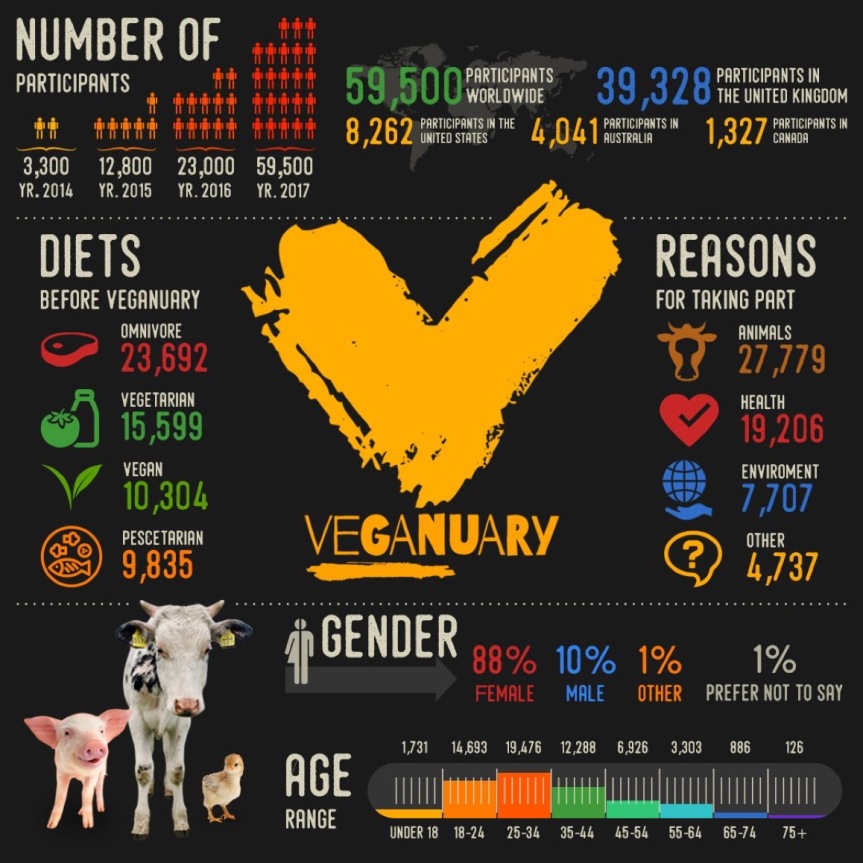
For anyone who read my post, Veganuary , or who participated by trying to go vegan for a month, I thought you might be interested in seeing this results graphic. This was their most successful sign-up yet since its inception in 2014 when a mere 3,300 signed up.
The statistics make interesting reading: the vast majority of participants were in the 18-44 age group which is encouraging, but probably not surprising. Veganism is the fastest growing social movement among young people at this time. They are also tech-savvy and more likely to have seen the campaign on social media. However, I was most struck by the percentage of women who took part: 88%! I was expecting them to be in the majority, but not by quite such a margin.
Women have the greatest influence on the family diet and consequently their health, and in the education of their children, especially in their early, formative years, so this is also an encouraging statistic.
Another surprising but encouraging statistic is the large number of omnivores willing to try out a vegan lifestyle, I expected that the vast majority of participants would be vegetarians.
If you took part, well done! How did you get on?
Don’t forget, all the recipes on this site are vegan (and gluten-free). If you need more information on Becoming Vegan, look under that category in the Menu. Here are some links:
Where Do I Get My Calcium On A Vegan Diet?
Where Do I Get My Protein on a Vegan Diet?
Where Do I Get Iron on a Vegan Diet?
Environmental Benefits of Adopting a Vegan/Vegetarian Diet
Where to Get Nutritional Advice for Young Vegans and Newbies
Copyright: Chris McGowan
Where to Get Nutritional Advice for Young Vegans and Newbies
Just a quick post to pass on this link fom The Vegan Society which gives nutritional advice for young children, 11-18 year olds and those new to vegan eating. It includes the importance of breakfast, calcium, omega 3, Vitamin D, iodine, B12 etc. with suggestions for meals and sources of these nutrients.
It is by no means comprehensive and it is important to do your own research regarding the issue of using supplements or not.
My view is that it is always better to get your nutrients from real food where possible, supplements come in such a variety of forms, strengths and quality, often have fillers and they are expensive and not always absorbed sufficiently by the body.
Isolating particular nutrients doesn’t always work since when they occur within real food, they are accompanied by lots of micro-nutrients which aid their metabolism and absorption, which isn’t always the case with supplements.
This is why it is important to consume foods containing Vitamin C with foods containing iron, for instance. That’s also the reason not to peel where appropriate as these micronutrients are found just under the skin.
However, there are cases where supplementing might be appropriate, but it is wise to seek advice from a qualified practitioner.
This article is a good start, along with Teen Vegan, a safe not-for-profit social network for 12-19s with lots of advice, opportunities to volunteer making care packages for local homeless people and summer camp activities.
Another great resource is Vegan Fitness TV (recently renamed Family Fizz TV) on YouTube. They are a family of four, the parents are very into fitness, training etc but are very down-to-earth, using convenience foods as well as fresh foods and regularly test out new products. The two young girls in the family also have their own channel.
Vegan Kids (What an 11 year old eats in a day)
Vegan Kids (What a 5 Year Old eats in a day)
The two sisters do their own videos, they are delightful, so confident, lively and have a lot of fun.
Don’t forget, all the recipes on this blog are Vegan and Gluten-free and and you can find additional advice on Becoming Vegan in the blog Menu.
Copyright: Chris McGowan
Where Do I Get My Calcium On A Vegan Diet?
Here:

And here:

here too:

I would also inlcude Watercress, Parsley, Swede, Rocket, Tiger Nuts, Plant Milks, and Hard Water.
It is a longheld myth that humans need cow’s milk in order to build strong bones.
In fact, cow’s milk is made for the calves they produce which need to grow large bones and grow into large animals, they have the required digestive system to break it down and absorb the calcium content.
Calves grow to approximately eight times their birthweight by the time they are weaned and never drink milk again.
Humans make less and less of the enzyme needed to break down dairy milk as they get older – only young children have enough of the enzyme – which can lead to lactose intolerance and several health issues.
The type of calcium in dairy milk is barely absorbed by humans and is different from the type of calcium in plant foods.
Plant-based calcium is more bioavailable to humans.

- Many people, including babies and children, are allergic to dairy milk, they develop normally on non-dairy sources of calcium.
- Many populations around the world don’t drink dairy milk, yet display no overall deficiency in calcium.
- American women are among the biggest consumers of dairy milk, yet they have one of the highest percentages of osteoporosis.
- Chinese people don’t eat or drink dairy milk and consume half the amount of calcium of most Americans, yet there is hardly any osteoporosis.
- Dairy milk washes the calcium we already have from our bones and this can lead to osteoporosis.
- Dairy milk is allowed by law to contain a certain amount of chemicals, growth hormones, antibiotics and pus (yes, pus!)
- Most dairy herds are fed on GMO feed, so even if you avoid these in weekly shopping and home cooking, if you drink milk or eat meat, you are almost certainly consuming GMOs.
- Many large mammals have plantbased diets: Elephants, Rhinos, Zebras, Moose, most Gorillas, Hippos, Yak, Bison – no-one asks where they get their protein/calcium from (they wouldn’t dare!).
- Consuming large amounts of dairy milk can cause iron deficient anaemia in young children because they drink so much milk they have no room for other better sources of iron.
- One family member has a condition which requires him to have a very low-protein diet. He has never had dairy products or meat. He is a strapping, healthy, active young man who is an outdoor activities leader specialising in canoeing, climbing and snowboarding, and a keen cyclist.
- Exercise, especially the weight-bearing kind, is a good way to increase your bone density.
Who would think even fruits are good sources of calcium?

My youngest toddler grandson is very strongwilled when it comes to food and unless it is fruit or pasta, forget it! Yet he is tall and strong and has so much energy he literally has to be fed on the go as he whizzes past on his next mission to create chaos and mayhem! His parents are very sneaky, though: he loves his dad’s freshly-made fruit and vegetable juices and smoothies which are full of all sorts of plants, nuts and seeds that he would vociferously object to if put on his plate!
Surprisingly, too, many herbs are high in calcium.
Mind Body Green have a great infographic explaining why calcium is essential, how much you need at various ages and according to gender, plus a list of plant-based sources.
Many Americans are deficient in calcium, especially teenage girls and women over 50, but it is easy to include enough of this mineral with a little self-education and thought. Some foods may be unfamiliar, but these days are easily accessible via online stores and there are many sites and books showing you how to use them. Three years ago, I had never heard used chia seeds, goji berries, lucuma fruit powder, goldenberries and so on, but now they are staples along with nut butters and tahini (sesame paste).
You can find recipes for homemade Nut, Seed and Tiger Nut Recipes in the Menu – Tiger Nuts are actually tubers and so are suitable for those with a nut allergy. They make lovely naturally sweet and creamy milk, full of vitamins, minerals and probiotics. It is very popular in Spain where it is known as Horchata.
It is important to note that Spinach contains oxalate which prevents the absorption of its calcium content.
Salt and Caffeine also inhibit calcium uptake.
It is also important to note that calcium supplementation can be dangerous: it can cause an imbalance in essential minerals in the body, overwork the kidneys, cause kidney stones to develop, create cardiovascular problems from calcium deposits and lead to many other health issues.
Sources: The Vegan Society and Vegan Community on Instagram
as well as courses and articles, too many to mention, and my own experience.
Hope this helps!
Copyright: Chris McGowan
Veganuary

January has been designated Veganuary and even has its own website!
It was such a success last year that I think it is probably here to stay.
40,000 people have signed up to try being vegan for a month and the website is there to provide support, advice, product websites and tasty recipes for people wanting to increase the plant-based element of their diet and reduce meat and dairy.
 Everyone has their own food journey, we are all at differing stages and are there for different reasons, whether it be health, ethics or environmental impact.
I am not about to go through all the whys and wherefores, others have done a much better job than I can, but I have decided to provide a Vegan category to house the information about being vegan if people wish to look it up.

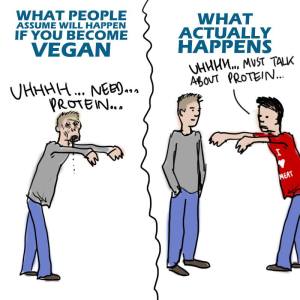
(Photo from The Vegan Community)
Recently, I published Hanna’s post Plant Powered New Year which was her response to a specific question about whether a diet containing meat would have an effect on psoriasis. Hanna suffered with appalling psoriasis and is now mostly vegan after ridding herself of the misery of itchy, inflamed skin through juicing and a plant-based diet. Hanna was quite forthright in her language, which may not appeal to some, but she has had a rough journey to where she stands now as a beautifully healthy, energetic young woman and has just had her first book published called ‘Radiant’. It includes her story along with beautiful photography and tasty recipes to help achieve the same results.
Today, I have decided to provide links not only to her post but also 3 others which take a more softly-softly approach and give a guiding hand to those just beginning to look into the subject of ‘going vegan’.
The first is Rachel at Healthy and Psyched: 5 Tips For Transitioning To Veganism where she is at pains to reduce the guilt element so often present in such articles. Rachel says basically that you are not a bad person because you unwittingly – or even wittingly – eat something that has dairy in it at a family party for instance, and my favourite is not to throw away all your make-up, which is expensive to replace and such a waste, and which is exactly what I did!
The second post is from Feminine Boutique Blog: How To Go Vegan in 4 Steps This post gives links to sites, YouTubers and books where you can find the information you crave and the support. It is short and there is nothing to scare the horses (pun intended!) It too is written in an easy-going style and isn’t at all ‘preachy’.
Another interesting post is from Our Green Nation: 2016’s Top 10 Vegan Moments which lists interesting topics such as the American government, scientists and doctors giving vegetarian and vegan diets the thumbs up as being healthy and suitable for any stage in life, while the latest American Nutritional Guidelines are the most vegetarian-friendly ever; they feature the Sainsbury’s ‘Gary’ vegan cheese furore and the members of the USA Olympic team who have plantbased diets including a weightlifter.
Finally, there is even a website for teenage vegetarians and vegans: http://www.teenvgn.com It is a great site, describing iteslf as a social network for teen vegetarians and vegans, providing a safe place for 12-19 year olds to obtain information, recipes and exchange ideas. They even run a summer camp every year full of activities for 11 a 17 year olds. They encourage volunteering and put together care boxes for homeless people in local areas. They are sponsored by several reputable companies and supported by The Raw Chocolate Company.

Going vegan doesn’t mean going boring! There are many websites and Instagram accounts with colourful, balanced vegan recipes. You can also check out the vegan recipes in my menu.
The Vegan Society will provide answers to most of your questions.

Copyright: Chris McGowan
A Different Christmas – A Lesson from the Grinch
Here is another thoughtful and positive post about the real meaning of Christmas from a fellow blogger who always has just the right word on any given topic. Do take a look, you will leave pondering and all the wiser for the visit.

 “And the Grinch, with his Grinch-feet ice-cold in the snow, stood puzzling and puzzling,
how could it be so? It came without ribbons. It came without tags. It came without packages, boxes or bags. And he puzzled and puzzled ’till his puzzler was sore. Then the Grinch thought of something he hadn’t before. What if Christmas, he thought, doesn’t come from a store. What if Christmas, perhaps, means a little bit more.”
“Christmas Eve will find me, where the love light gleams, I’ll be home for Christmas if only in my dreams.” Bing Crosby
 The days are racing. Usually, this time of year it would be my count down to Christmas. It would be putting the candles in the windows, and putting up the tree, picking gifts, baking cookies, wrapping presents, placing Santas I’ve collected on the table, stockings on the mantle and a big Santa in front of the…
View original post 1,319 more words
A Post Election Plea For Compassion & Peace
A year ago, when very new to blogging, I published a post called Compassion is Good for Our Health in the context of negative newspaper and political rhetoric about refugees, homeless poeple, those with disabilities and mental health issues. It was also written against the background of the shootings and bombings in Paris.
I explained how demonstrating acts of compassion is beneficial to our physical as well as our spiritual health.
Then we had the terrorist attacks in Belgium.
In June this year, after the attacks in Orlando, I reposted it. We in the UK had also lost an MP, a campaigner for peace and for human rights, in an attack outside her surgery. The nation was stunned.
Next came Brexit and all the lies and infighting, and there seemed to be an open season on anyone considered non-British, or on benefits and so on. Again. Only more so, and with impunity. These people felt able to be quite open about their views and to express them in the most hurtful and derogatory terms, often along with physical intimidation or even violence, without fear of restraint, recrimination or incarceration.
Now, following the US electoral compaign and vote, and all the online vitriol towards women, minority and vulnerable groups, I find myself revisiting these issues. Videos of High School students carrying Trump posters while chanting about White Power made me feel sick.
I don’t post about politics, this blog is not about that. But all this hate, negativity and lack of compassion is not good for us or for our society. It certainly isn’t good for those who bear the brunt of it, those who already find life challenging.
Twelve months on from that first publication, I can’t believe we have not moved any further forward, but rather it would seem we have taken a huge step backwards. I can only believe like many others that hope and humanity will win out, that – as Chris Martin of Coldplay said very eloquently on The Graham Norton Show recently – once those who feel disenfranchised and ignored have had their voices heard, things will calm down.
Please take a look at my original post. As Ellen Degeneres says, Be Kind To One Another.

(Sorry, I found this on Instagram, I don’t know the source).
Copyright: Chris McGowan
Water: They Can’t Get Enough, But We Can Help!
Recently, while I was thinking of writing a post on hydration, there was a sudden deluge (pardon the pun) of articles and tweets on the subject. Everywhere I looked, someone was urging that I drink more water. I thought to myself, If I drink any more, I’ll float away! But as I sipped my regular morning hot water and lemon and then had a shower and washed my hair, cleaned my teeth and flushed the loo, I started musing on how much we take our clean water supply for granted and how much we complain about the incessant rain.
Have you ever experienced a drought, even temporarily? I have.
Have you ever had to use a stand pipe down the street in one of the hottest summers on record and queue up for a restricted amount of water, carry heavy containers home, ration it out, use the same washing water for all the family, then use it to flush the toilet that has had to be used several times without? I have.
Have you had to do this with a toddler still in nappies – cloth ones that needed sterilising? Or with a baby using feeding bottles? I have. Have you ever been heavily pregnant during a hot summer and had the water go off because of a burst pipe, making it necessary to walk a couple of streets away to the nearest public toilet for a day and a night? I have. During that hottest summer, I was also coping with a slipped disc.
It was indescribably difficult.
Yet our difficulties and inconveniences (pun intended) were nothing compared to those endured week in week out, by millions of families in developing countries where mainly wives, mothers, sisters and daughters spend hours every day walking miles to collect water that is often contaminated with bacteria, parasites and disease, for example E. Coli, Cholera and Hepatitis A.
Between 600 and 700 million people have no clean drinking water, while over 2 billion do not have access to toilet facilities.

Image from Jerry Bottles
While I was contemplating this, tweets began appearing on my timeline about Matt Damon and Gary White’s charity Water.org and the British organisation, Water Aid UK. Then purely by chance, someone called @jerrybottles liked one of my tweets. I looked them up. While I did so, two other companies showed up: Conscious Step and Three Avocados.
These companies have one thing in common: they are non-profit businesses that sell unique products to raise money for clean water projects around the world.
100% of their net profits go to these projects.
This all seemed serendipitous and I decided to promote their organisations via my blog. If one person buys one item after reading this, then I will feel like I’ve done something worthwhile.
These companies sell very different quality products and I want to point out that I haven’t been given any to promote, nor have I purchased or used any of them. Purely and simply, I looked at their web sites and products, read their missions and wanted to help in this small way.
First up is Jerry Bottles

Leicester-based businessman, Harun Master, set up his charity in 2011 to help fund and co-ordinate clean water schemes in India and Africa. Their stainless steel bottles – named after the large jerry cans used by women to collect their water – are stylish, dishwasher safe and sustainably produced. Along with Tobias Gould and Taj Bharma, he built a company whose mission is to educate about pollution caused by plastic bottles, encourage the use of refillable steel bottles and use the profits to provide safe, clean water – starting in Tanzania. As a bonus, the co-ordinates of each project will be printed on the base of the bottles so you can see where the proceeds from your purchase have been put to use. They keep costs and staffing low to maximise the funds available for the schemes.

They are also working with local shops and businesses to build a scheme whereby you can refill your Jerry water bottle for free when out and about. They aim to add to their range by working with designers to create additional quality bottles and accessories. The web site is informing and fun, as are their tweets!
Three Avocados is the fascinating name of a coffee company in St Louis, Missouri, founded by Joe Koenig in 2010 after a trip to Uganda. The poverty surrounding him inspired him to set up a company which sells 100% Arabica coffee – produced by small farmers in Uganda and Nicaragua for fair prices – and donates all its net profits to clean water projects worldwide. One of their partners is a women’s co-op which uses the money earned from growing coffee to send their children to school.
In Uganda alone, without clean water, 63 children die every day. Since the company started, over 20,000 people have benefited.

Women and girls are usually the ones who walk miles every day to collect large jerry cans of contaminated water. They are unable to work or attend school. They are at risk of assault. Providing clean water allows them to gain an education and employment as well supporting a healthier community.

Oh, and why is a coffee company called Three Avocados? Well, visit the web site and read their story – just have some tissues handy when you do.
Conscious Step is the brainchild of 3 like-minded men: Hassan Ahmad, Adam Long and Prashant Mehta, left their respective careers at the World Health Organisation, Engineers Without Borders and in Microfinance, and came up with the quirky idea of selling uniquely designed and manufactured Socks for Causes, to combat Hunger and HIV/Aids, promote Education and provide Clean Water.
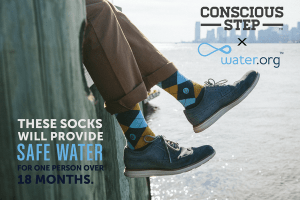
In partnership with Water.org net profits from these blue Argyle socks provide clean water for one person for 18 months!

(Images from Conscious Step)
The socks are certified Fair Trade and are made from organic cotton using non-toxic dyes.
I asked in my previous post ‘ What Colour’s Your Wee?! Water: Part 1 – Are You Getting Enough? Well, for some, this question is moot. They can’t get enough. What they can get is more often than not a long trek away and unsafe to drink.
You can help change that.
Copyright: Chris McGowan
Compassion is Good for Our Health


In the light of the terrible mass shooting in Orlando, I decided to reblog the post on compassion and well-being which I adapted after the attacks in Paris at the end of last year. I am not American or gay and I don’t know enough of the facts or the context to feel qualified to write a separate post, other than as a human being horrified by such actions and the ease with which people can obtain weapons and carry out these targeted, violent acts against people just trying to live their authentic lives. My thoughts are the same as after Paris and they are with all those affected by this and other such tragedies. (And today, June 16th, one of our own has had her life cut short and her family has lost a precious woman who worked to improve the lot of others).
When one hurts, we all hurt.
*
Some of the most poignant and remarkable acts of compassion are often performed by those to whom Fate has dealt some very unlucky cards: children with terminal cancer raising money and awareness from their hospital beds, severely injured veterans taking part in sporting events to raise funds to provide equipment and support for their colleagues, the bereaved parents of a teenage addict providing education and support for young people. It is well-documented that those with the least resources are often the most generous.
Doing something positive to help others can often provide a way out of our own dark place, it can help raise our spirits, lift our heads and enable us to see a way forward.
Expressing compassion and empathy is not only beneficial for the recipient, but for the giver too: being kind produces oxytocin which reduces anxiety and depression, strengthens the immune system and helps control the effects of stress. It also stimulates the vegas nerve which controls inflammation throughout the body. Inflammation is believed to be a major factor in developing chronic diseases and ageing.
When we help one another, we all benefit.
At this particular time of year, there are many people for whom compassion would be the best gift of all: newly-arrived refugee families being resettled into the community; people rendered homeless through losing a job, their relationship, their home; young people on the street because they are not welcome in their family home; those subject to physical or emotional abuse; elderly or disabled people left isolated, with little support.
Yet recent newspaper headlines, government polemics and negative online comments concerning an ‘influx’ of refugees, fear of potential terrorists based on little else but a person’s cultural or religious background and so on, might lead an alien visitor to Earth to conclude that compassion is currently in short supply. When our circumstances change for the worse, when money is in short supply or illness strikes, when we fear for the safety of our loved ones, it is understandable that our concerns are for our own well-being and that of our families. Life can seem overwhelmingly difficult. There can be little room for considering the lot of others.
But consider recent events in Paris. At an international football match, once fierce national rivals -both teams and fans of all racial and cultural backgrounds – came together, arms around each other and sang La Marseillaise, in a stirring and defiant display of unity reminiscent of the famous scene in the film Casablanca, when French citizens drowned out drunken Nazi singing with a powerful and emotional rendition of their own national anthem.
Ultimately, we are more alike than we are different.
I would like to express my depest condolences to all those affected by these recent events, either directly or indirectly.
I believe that compassion is innate in all of us: when one of us hurts, we all hurt.
Coming together, pooling resources, sharing our time, experience and compassion is how we pull through.
In The Art of Happiness,* HH Dalai Lama says that the purpose of life is the pursuit of happiness and happiness is ultimately achieved through compassion for others. It is a principle by which I have tried to live my life.
Compassion is good for our collective health.

*The Art of Happiness: A Handbook for Living by HH The Dalai Lama and Howard C. Cutler, Easton Press, 1998
Copyright: Chris McGowan
 pearsnotparsnipsdotcom
You must be logged in to post a comment.