
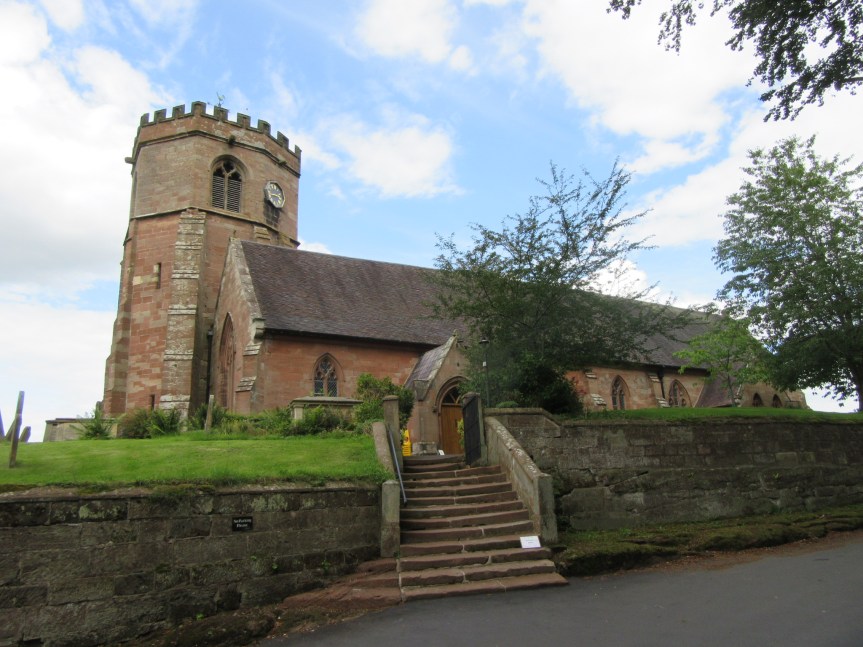
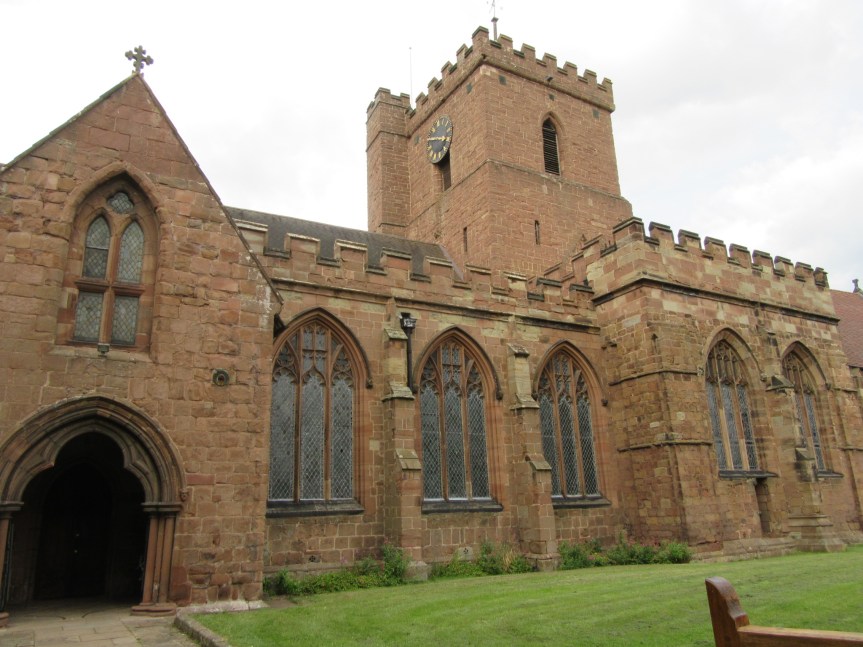
St Luke’s Church is next door to the beautiful Hodnet Hall Gardens, sitting just beside the entrance. This small, intimate church was open for visitors when we were at the gardens in the summer and is well worth a look if you like historic buildings and richly-coloured stained glass windows.
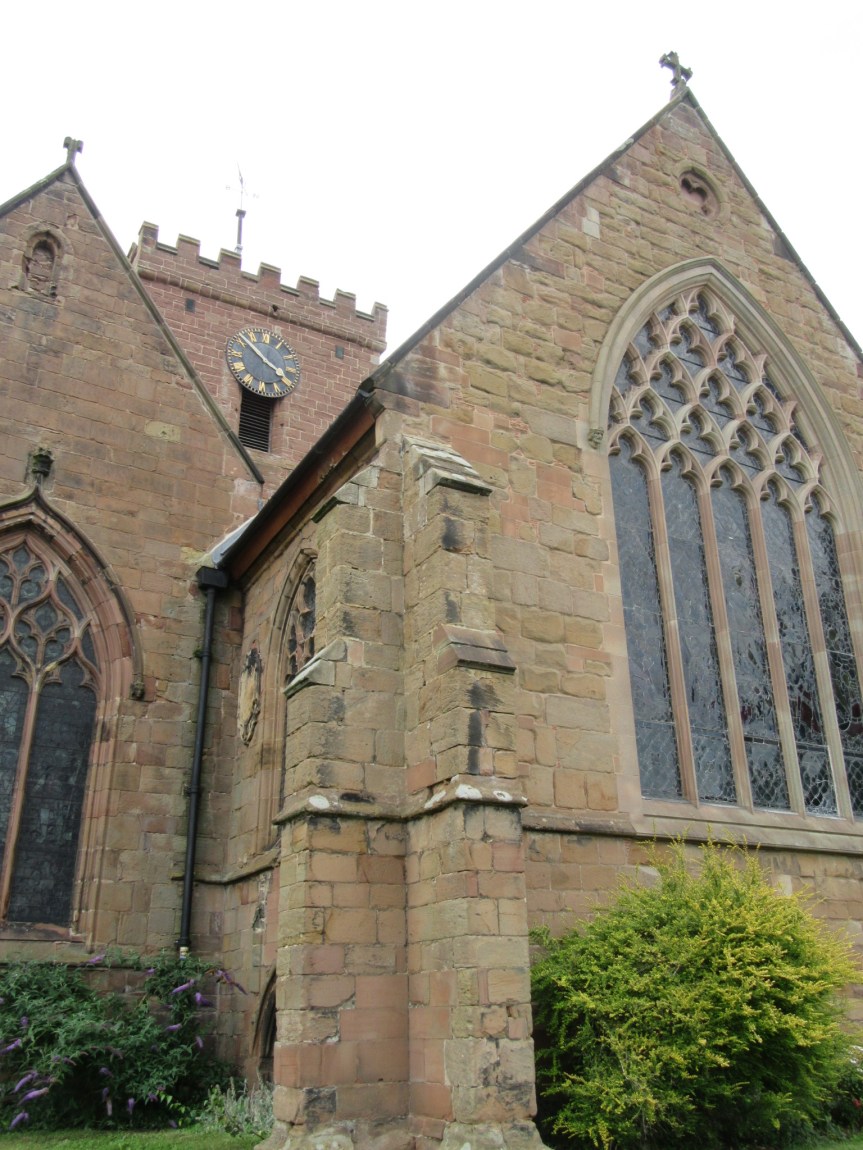
This Grade 1 listed building is Norman in origin and listed in the Doomesday Book. Much of the original Norman nave still exists. It has the only octagonal tower in Shropshire, with octagonal wooden clocks on each side. I had never seen a tower like it. I warmed to this unusual church instantly before venturing inside the porch, its open door inviting us in.
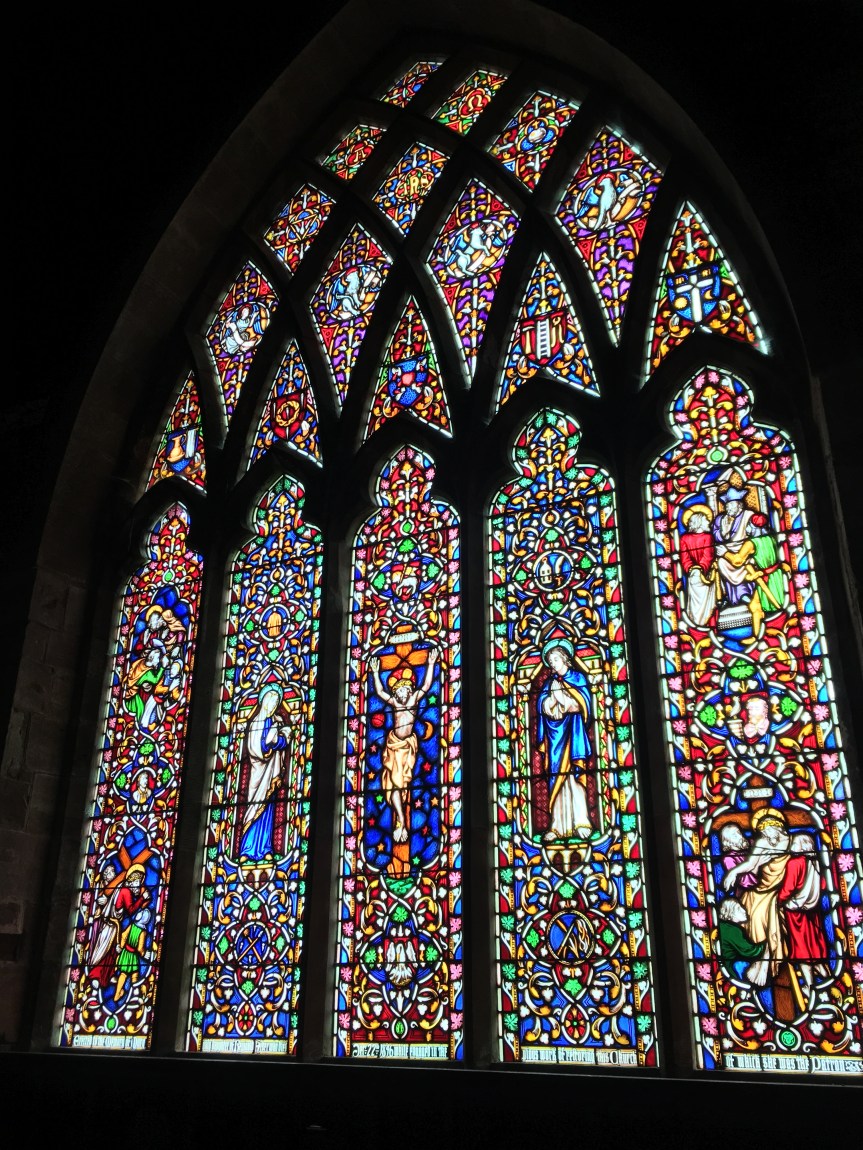
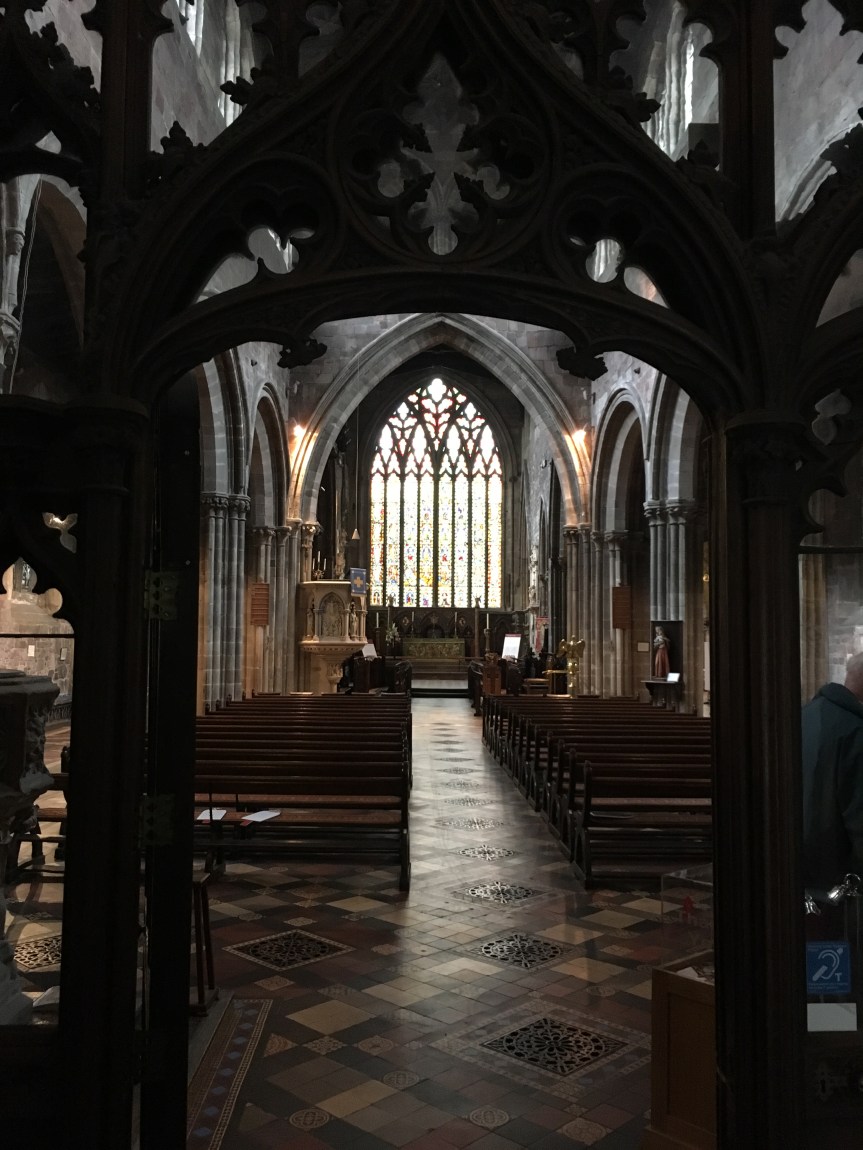
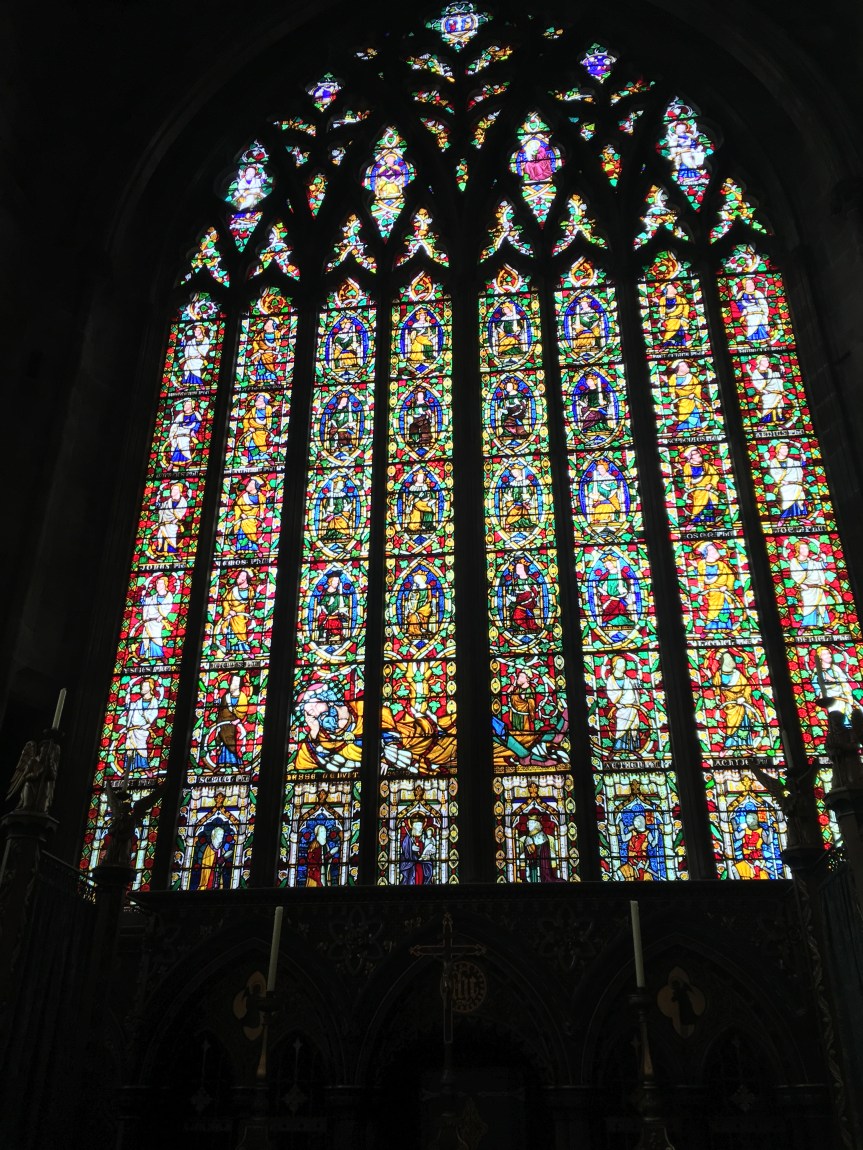
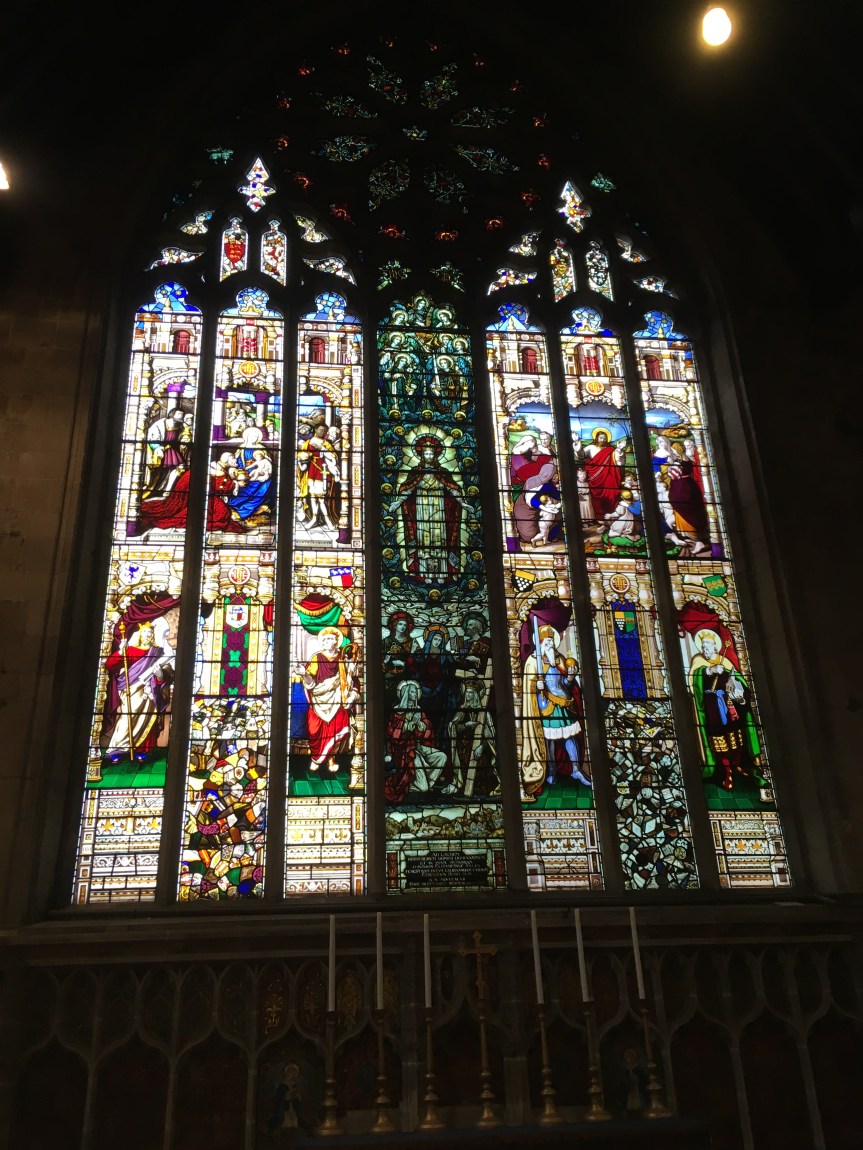
The stained glass windows were beautiful. One is in memory of Mary Heber, an ancestor of the current family in residence, and the other tells the story of The Holy Grail. It was really difficult to find the right angle to do justice to the vivid colours and images, the sun was streaming through windows and washing out some of the colour. We were the only ones there and took our time, not feeling in anyway rushed by person or event.
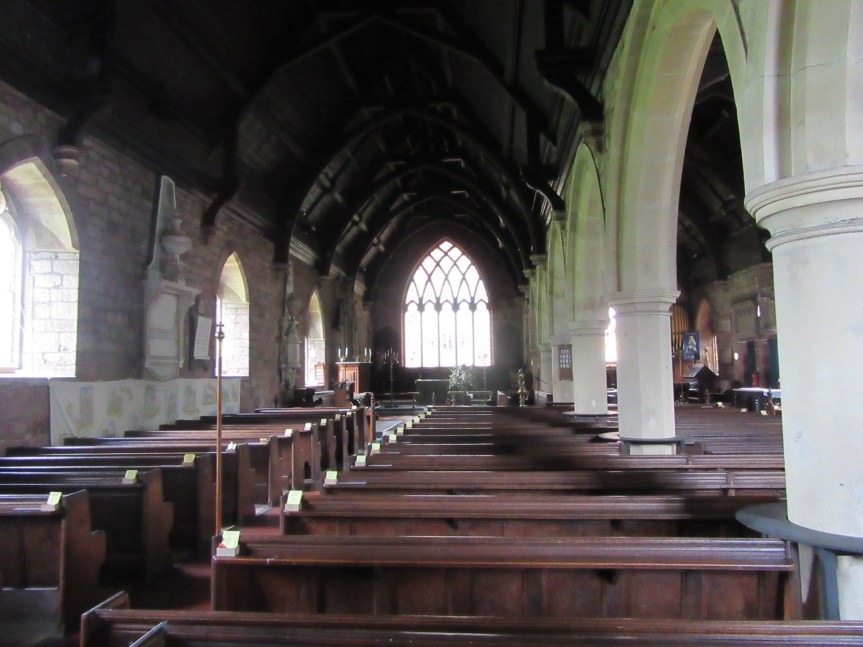

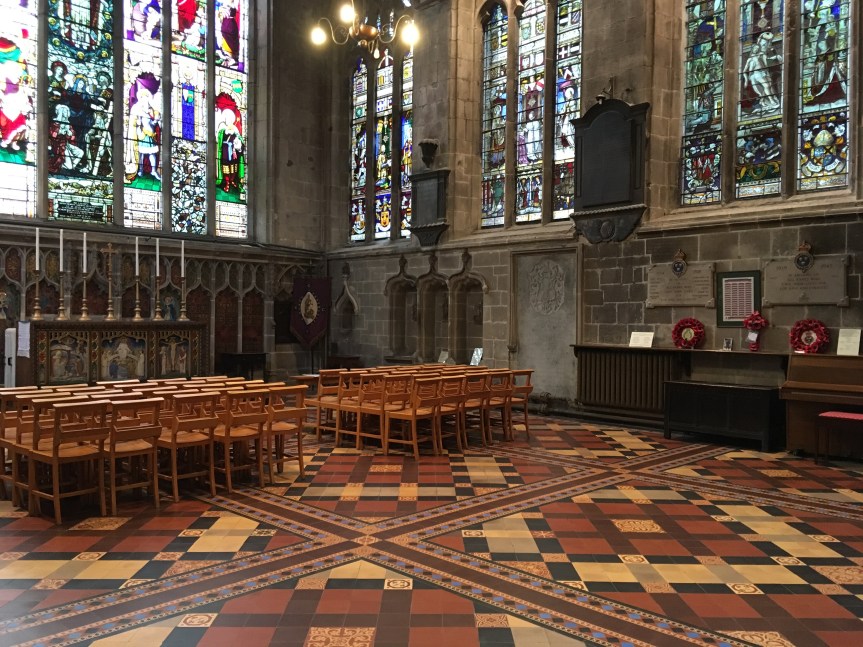
The aisles and chapels are tiled in various colours and intricate patterns. They are in wonderful condition. I spent a lot of time just sitting, contemplating, taking everything in, all the magnificent beauty and craftmanship.


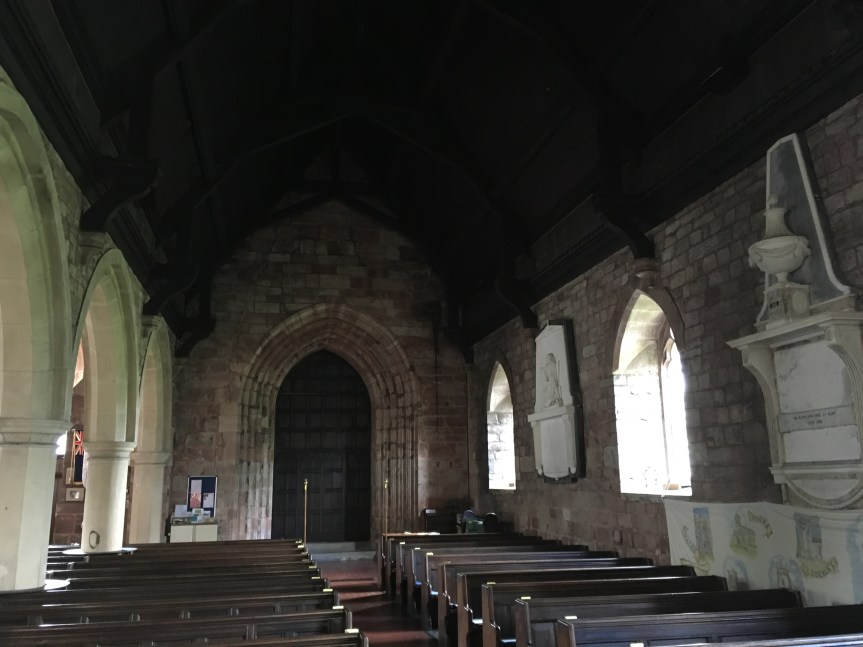 The families who have owned the Hall have been – and still are – long-time patrons of this church, supporting its upkeep. Many of them are buried there or memorialised within the church. There are some very elaborate marble memorials on the walls and in the family chapel. Unfortunately, my camera battery died and I didn’t realise it had given up on the marble sarcophagus in the family chapel.
I’ve never seen pews like these before, they were all across the front of the congregation, no doubt there for the great and the good! I found them incredibly uncomfortable, forcing me to sit up rather than lean into them.

I don’t know exactly what it was about this church, but it had a very welcoming feel to it. It’s quite small which makes it more intimate, less intimidating, for all its imposing stone and sense of history. There was a sense of continuity through the family names that you get in small villages, and lots of notices addressed to visitors and parishioners inviting them to look around, providing information and histories, a visitors’ book, but also framed photographs of the current incumbents and articles about local people and activities.
A lovely touch was the invitation to request a prayer for, or thoughts be sent to, someone who needed it, whatever the circumstances, no names necessary, and there were candles and matches if you also wanted to light one on their behalf. No charge. I requested a mention for our dear friend, Terry at Spearfruit.
(Please Note: I wrote this post some time before Terry passed away and I hope it doesn’t cause distress to anyone close to him. He was very much on my mind at the time of our visit).
One project I particularly warmed to was some research conducted by the local Scouts group into the names on the War Memorial in the church yard. This research was left out for all to see and filled in the details behind the names, turning them into real people not just ciphers. The project was at the back of the church for anyone to leaf through, with an invitation to contact the authors if any information is incorrect or if the reader had more up to date details to include.
There was a small piano alongside the ancient organ, and really old prayer books, Bibles, registers in full view, not locked away or removed for fear of vandalism, as in many churches these days. This added to the welcoming atmosphere of this beautiful church.

I was reluctant to leave, but we had been out all afternoon and now it was approaching evening and the gardens where we had parked the car would soon be closing. If you click on the link in my first paragraph, you can read about this magnificent estate, one of the most stunning and unspoiled places I’ve visited.
A final look up towards the church from the entrance to the Hall:
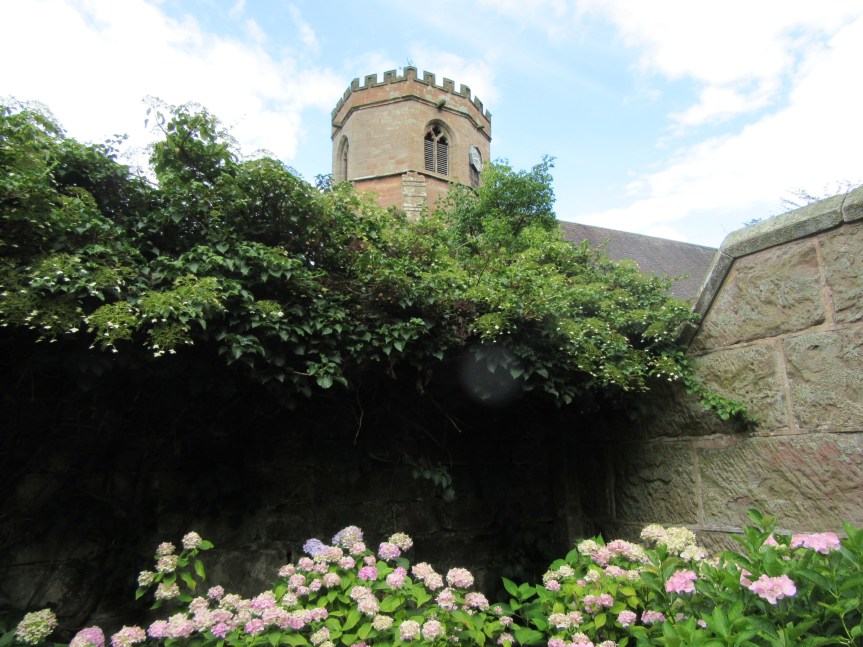
Copyright: Chris McGowan
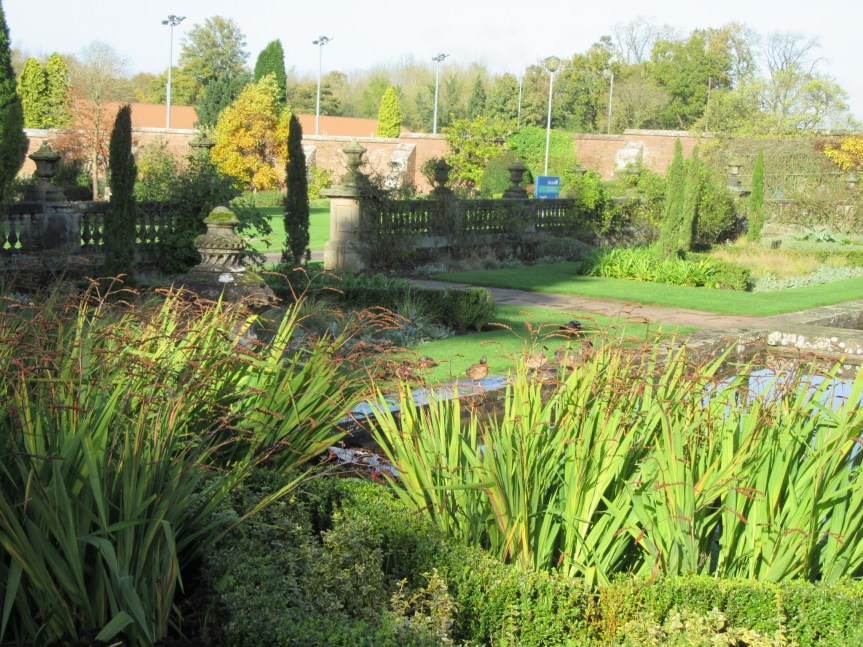 We visited after lunch and despite the long shadows and bare branches in places, the sun is so full of himself, some of the photos look like they were taken in summer.
 The afternoon shadows of the trees stretch across the lush green lawns, but the sun illuminates the bright green trail sign at the entrance.


 As well as snaking through all the breathtaking grounds by follies and flowers, the trail takes you through dark woodland with lots of nesting boxes for all kinds of birds, bees and bugs, a bug hotel, and boggy areas for amphibians, all well-signed with lots of bright easy-to-see pointers and information boards.




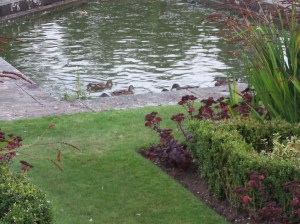 One afternoon/early evening, late September, we’d both been cooped up all day for various reasons and as it was going to be a fine evening, we decided to take a walk around our favourite estate, Lilleshall National Sports Centre. We were on the cusp of autumn, the leaves were changing and the days were growing shorter, but we decided we’d have plenty of time before the light disappeared and it would be lovely to stroll among the trees at dusk for a change.


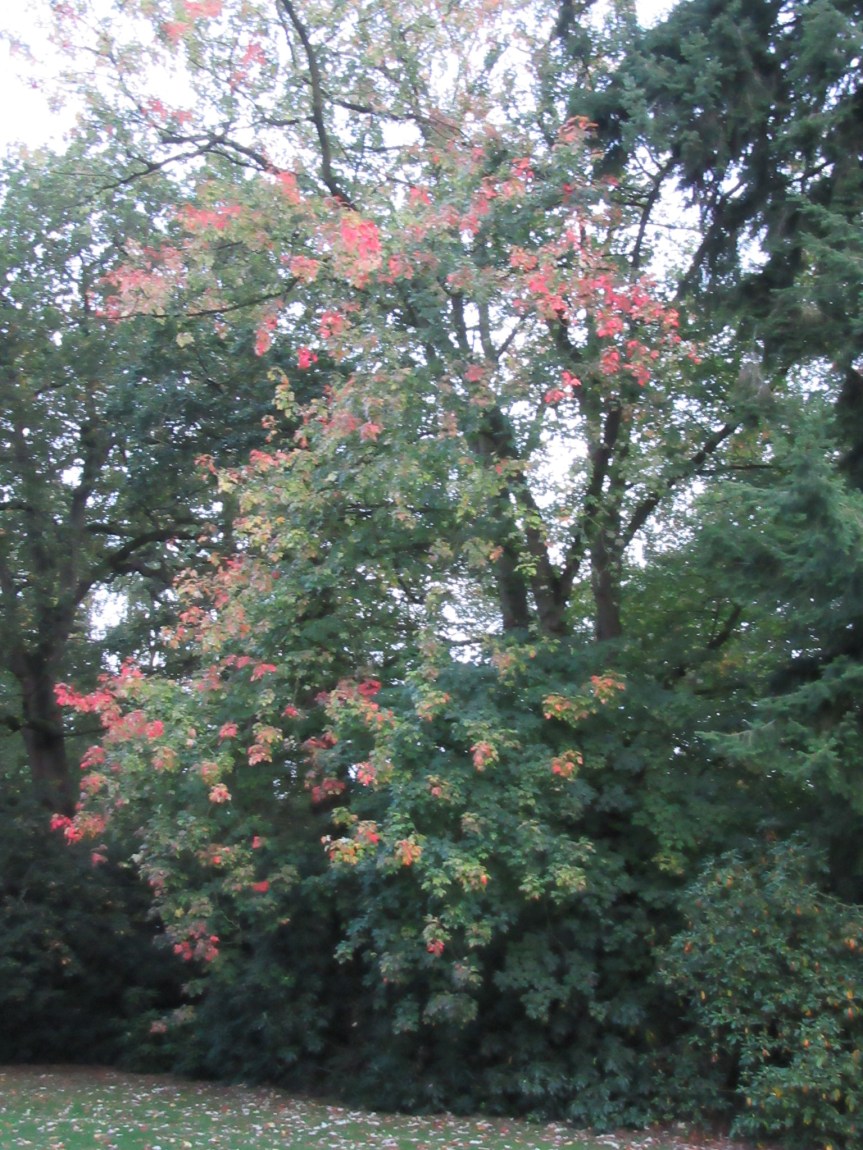
 This was too good to miss! It looked really dark and spooky in there but I couldn’t resist, I was sure we could make it through in what light was left. I wished we had our grandchildren with us, it would have been even more fun. With hindsight, we probably would have lost them and there was no gingerbread house for them to shelter in!
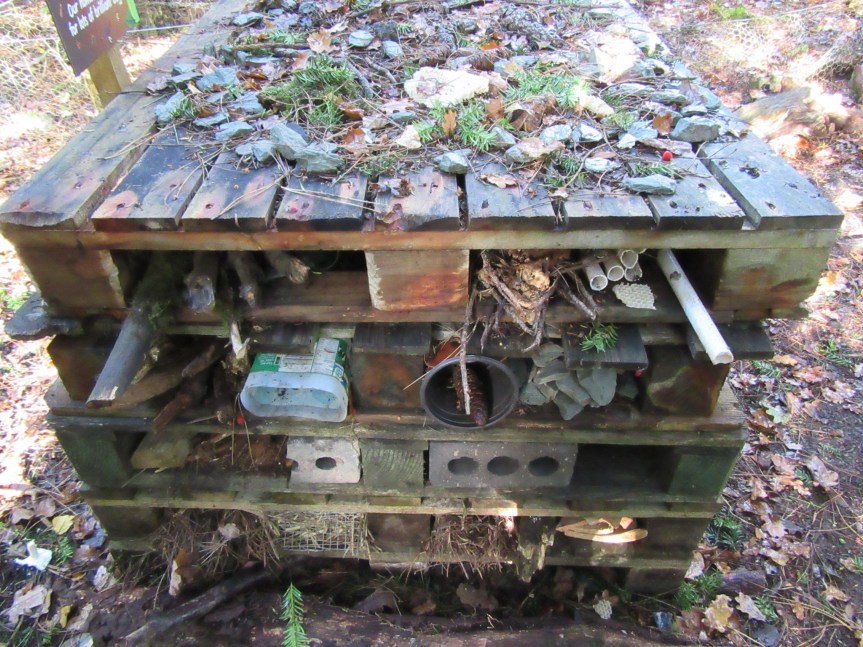
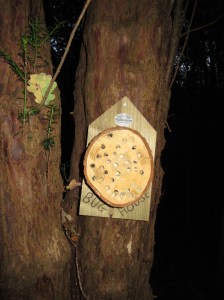 We came across lots of wooden boxes on trees for bugs, bees, birds and so on and illustrated signs with fun pictures and information about creatures and habitats. This is a bug hotel made from bricks, cardboard, plant pots, straw, pine cones, ferns and pebbles. I used a flash but you can see how dark it was:


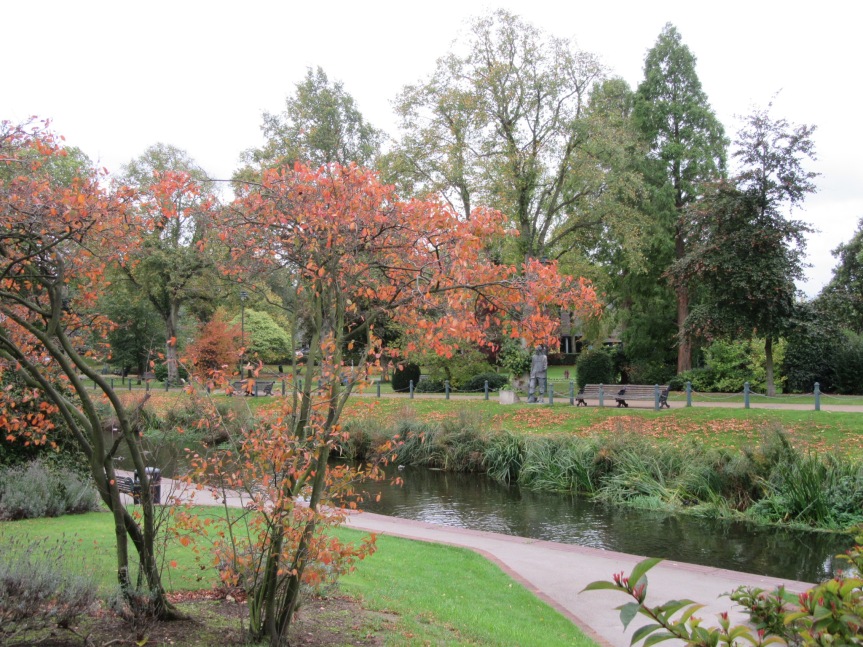
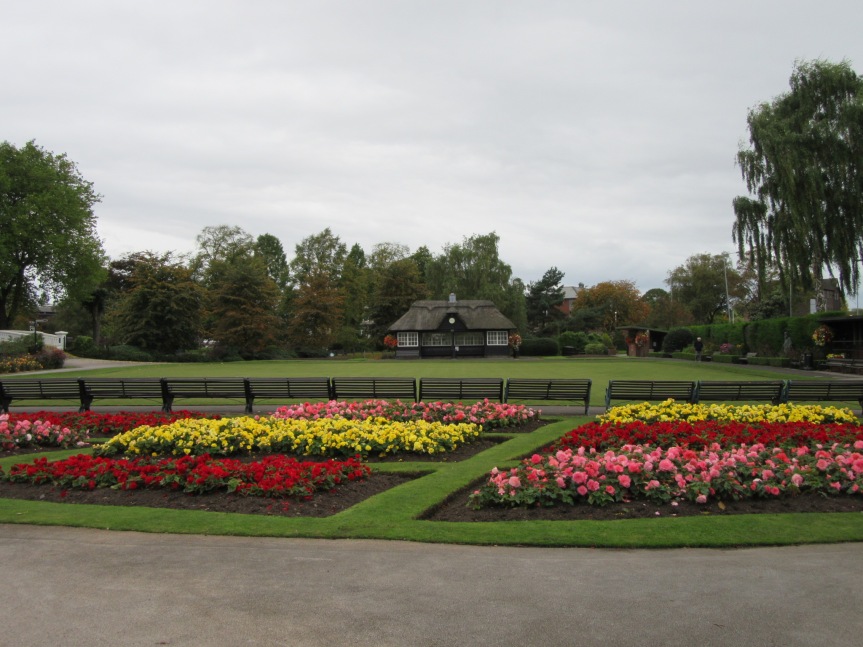
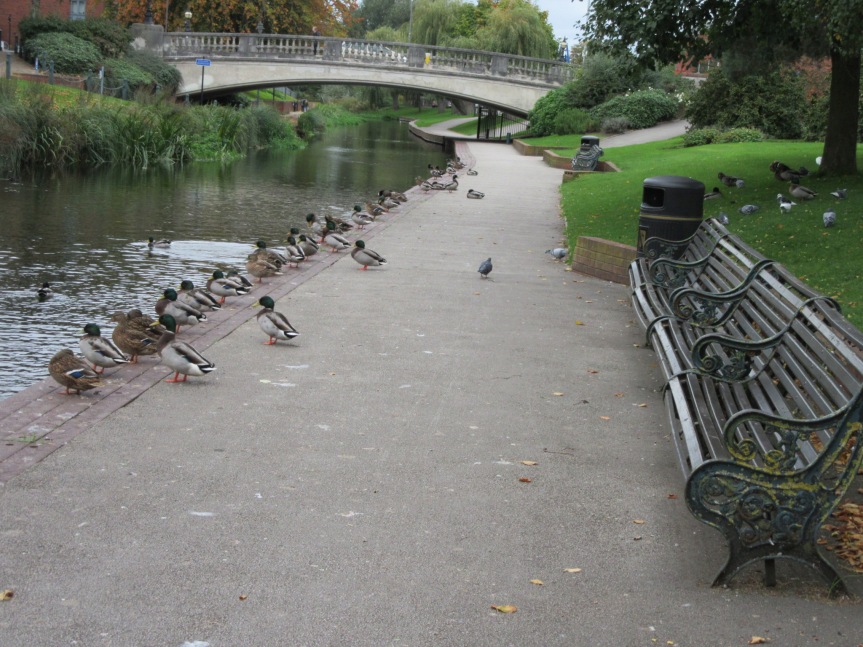
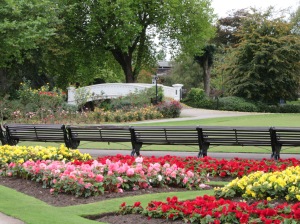 This park has everything for everyone. Previously, we’ve only been there with the children on a hot summer’s day. There is a separate huge play area for children of all ages, including a splash pad which our young grandchildren loved: spouts of water shooting up from the ground at different times and heights, great fun, and a concrete skate bowl. These are at the far end from the more peaceful flower gardens, however, and there is no need to fight your way through over-excited children and buggies to enjoy the flowers, the birds and the waterfowl – oh, I forgot to mention there’s also the River Sow running through it! You can picnic by the river and take shade under the weeping willows.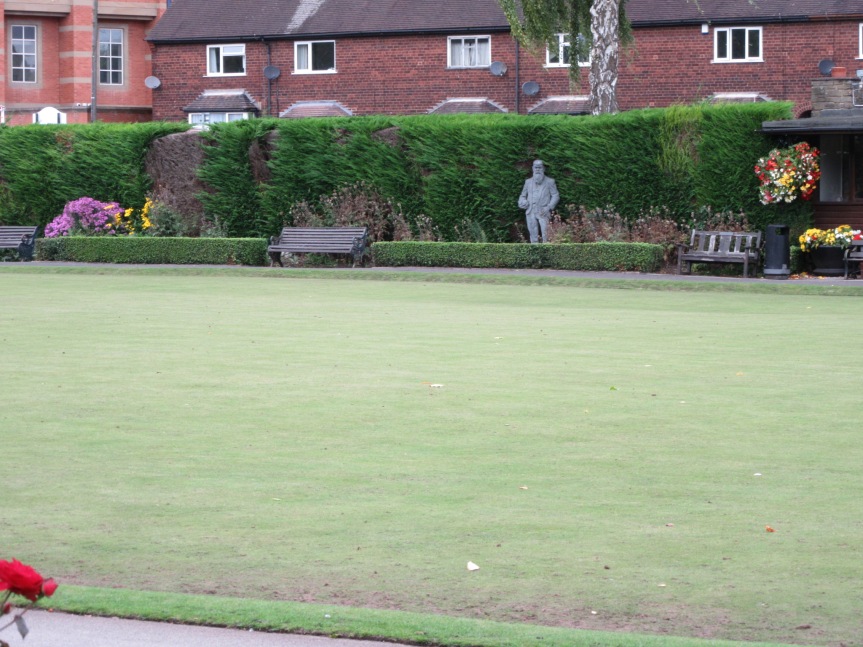
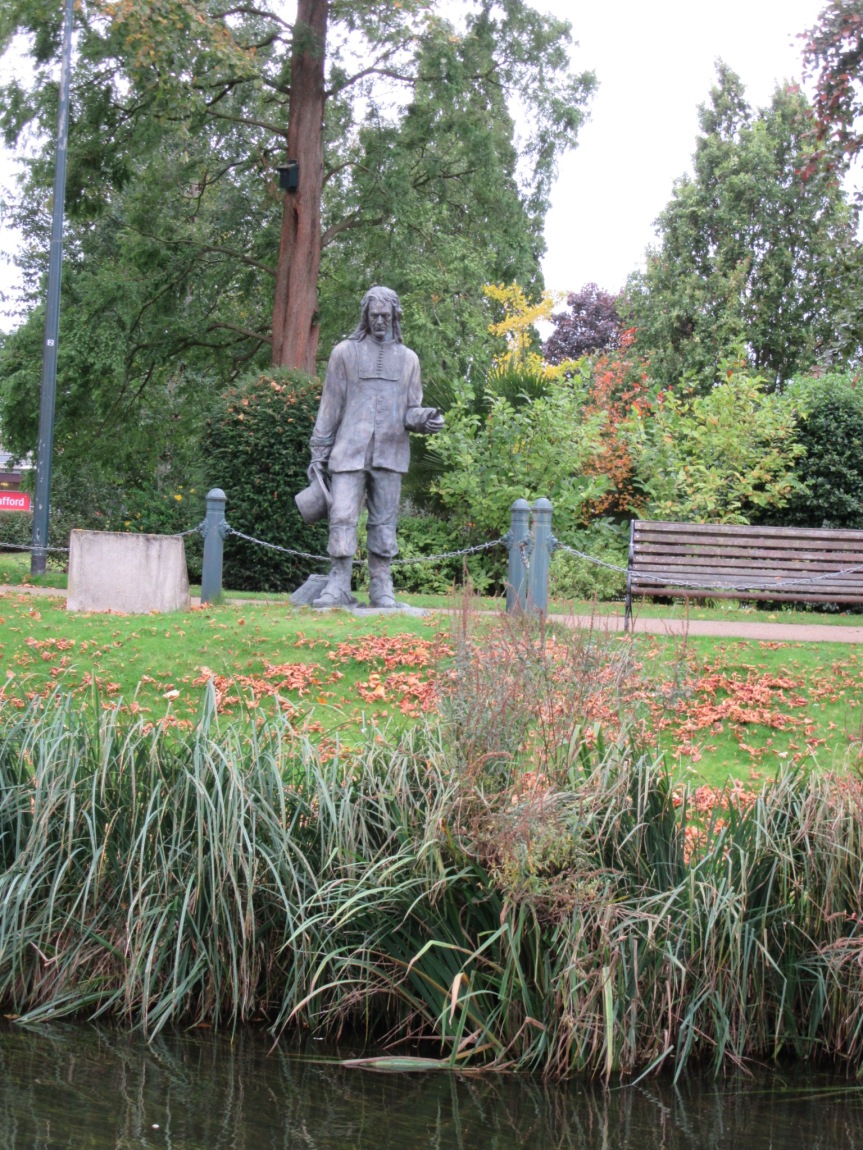
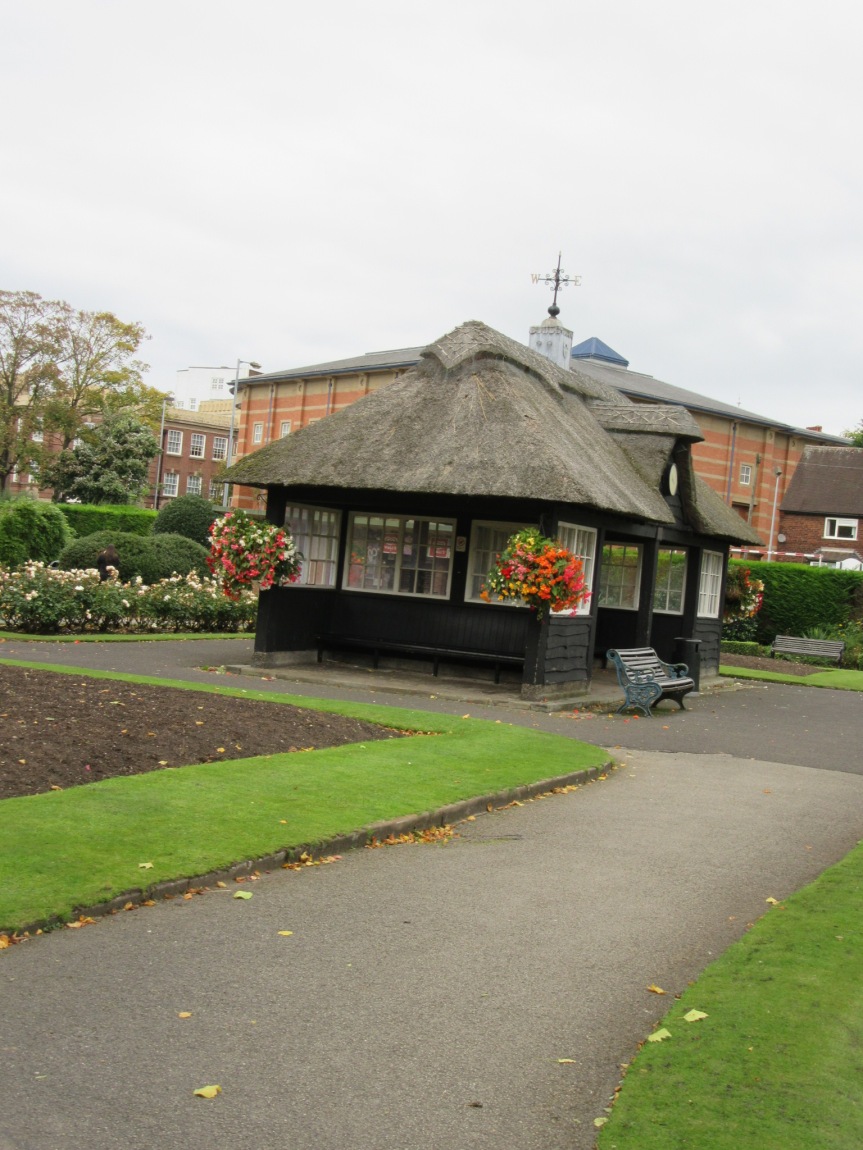
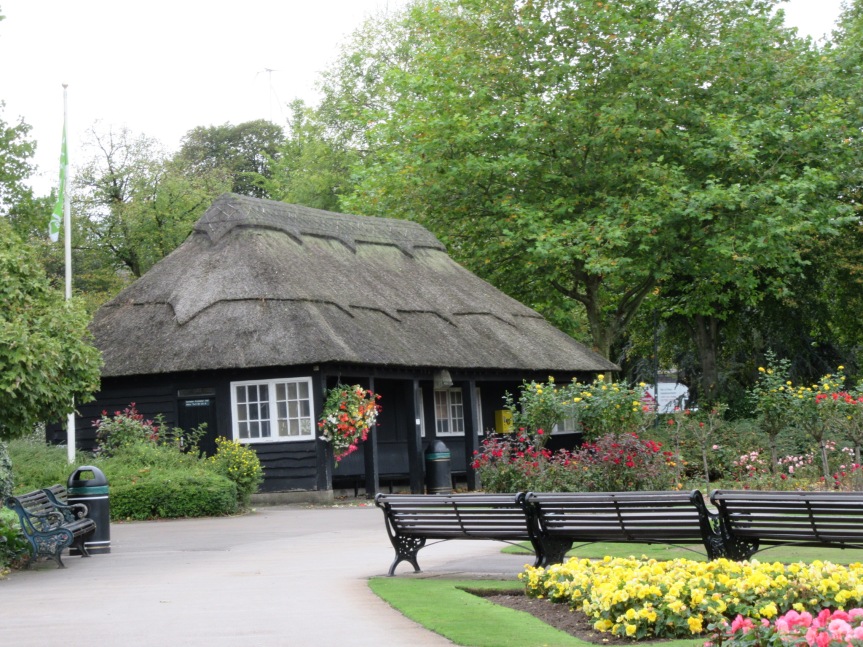
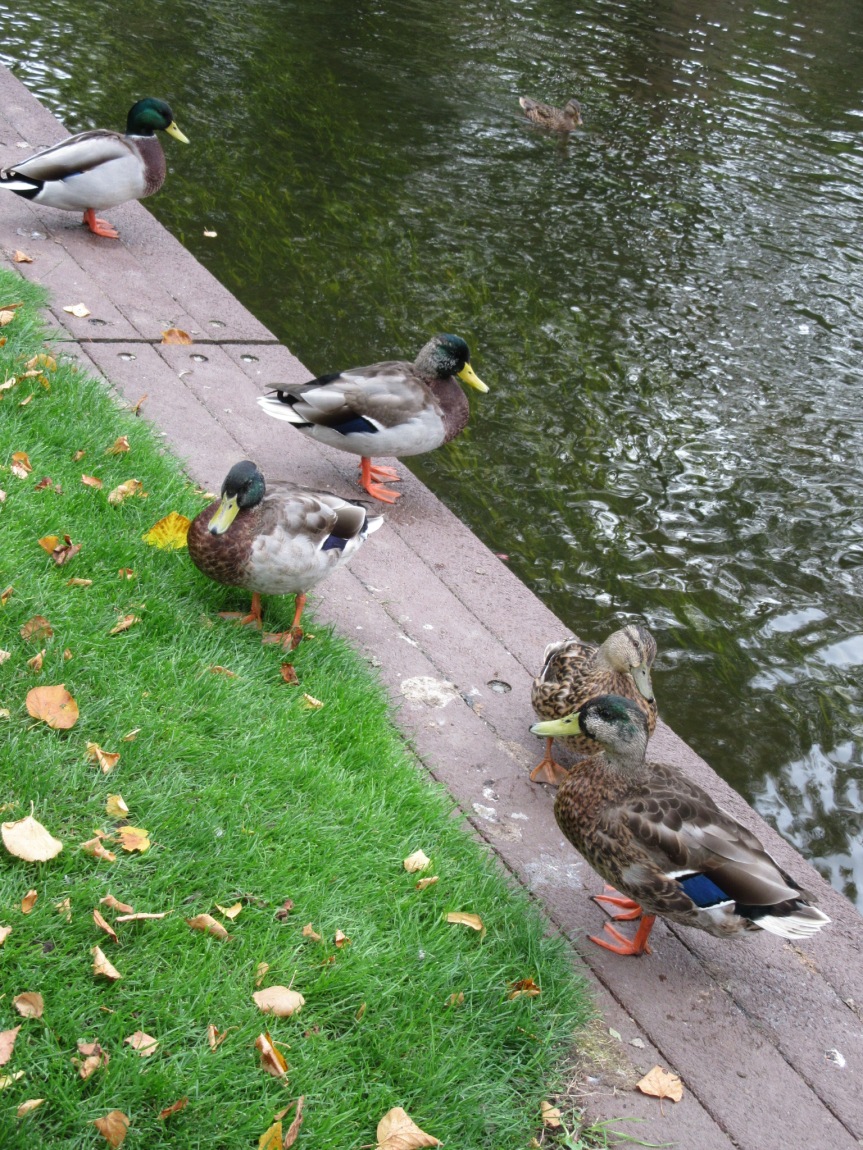
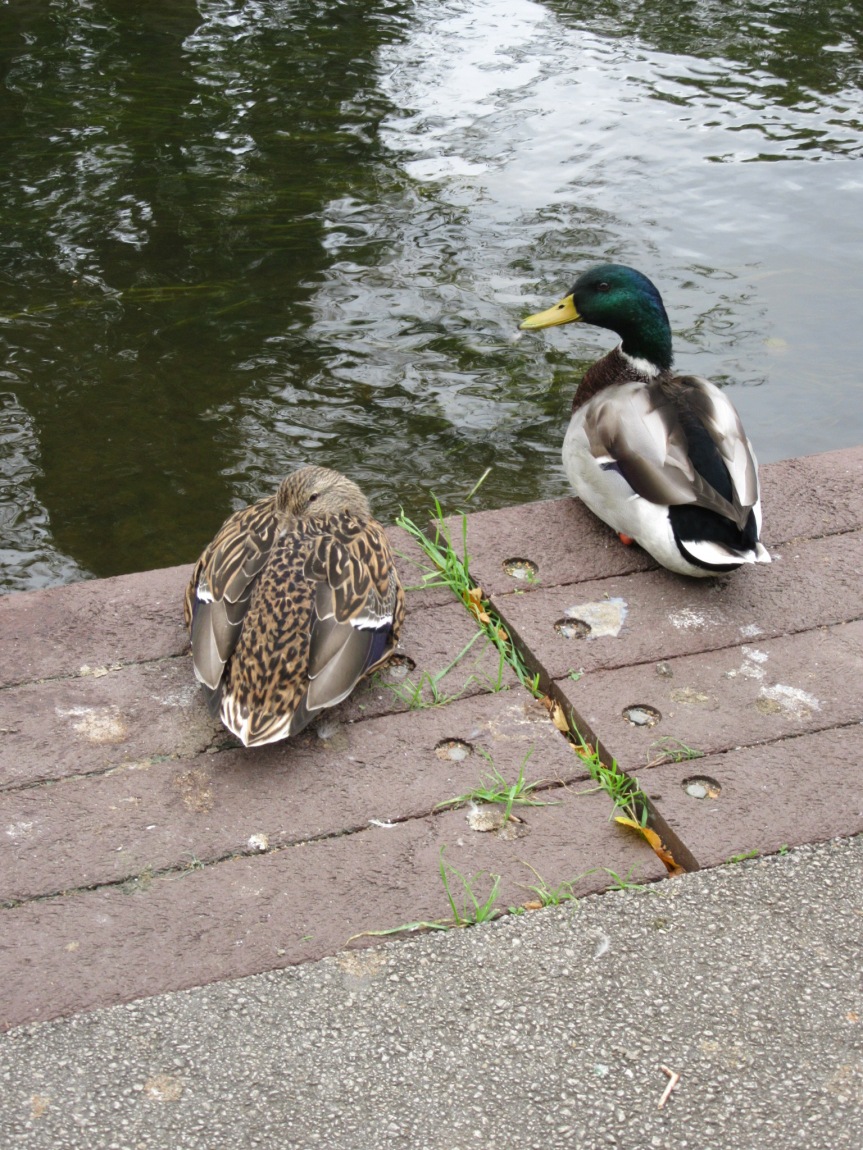
 Some time ago, I wrote about unplanned detours while travelling through our local Bermuda triangle (see below for links). On our first detour, I had noticed some public gardens. I thought we could take my elderly mother and I wanted to check it out to see if it was easily accessible, as I hadn’t been able to see an entrance. I didn’t know the name so hadn’t attempted to look it up. I knew it was near the railway bridge and a little terrace of cottages, how hard could it be? No matter how many times we tried to retrace our steps on the way to other nearby destinations, we could not find it.
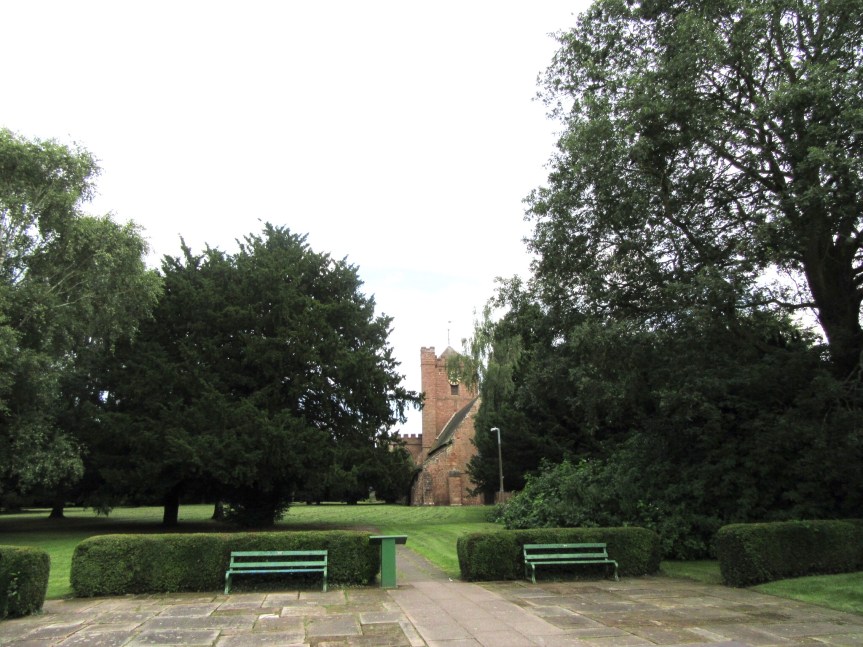
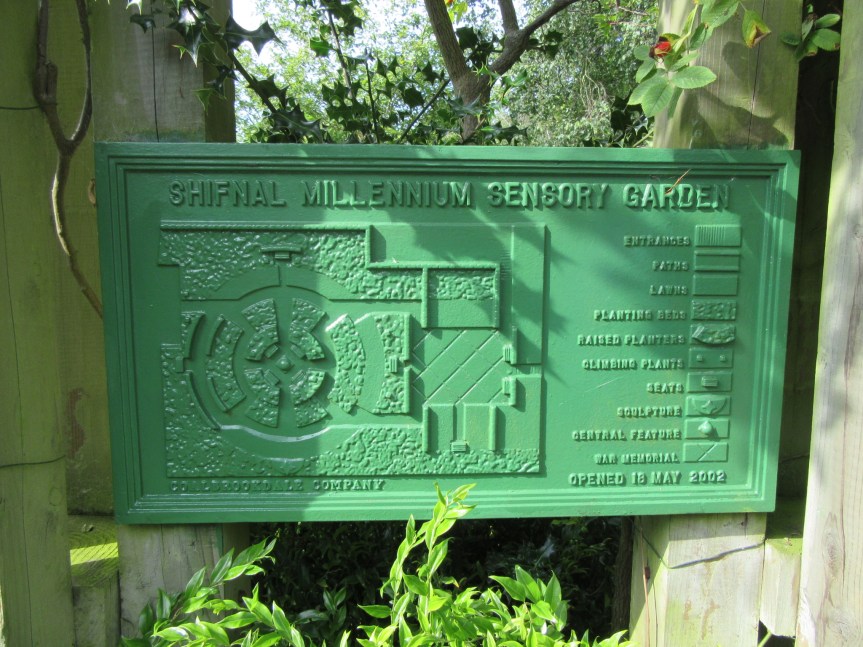
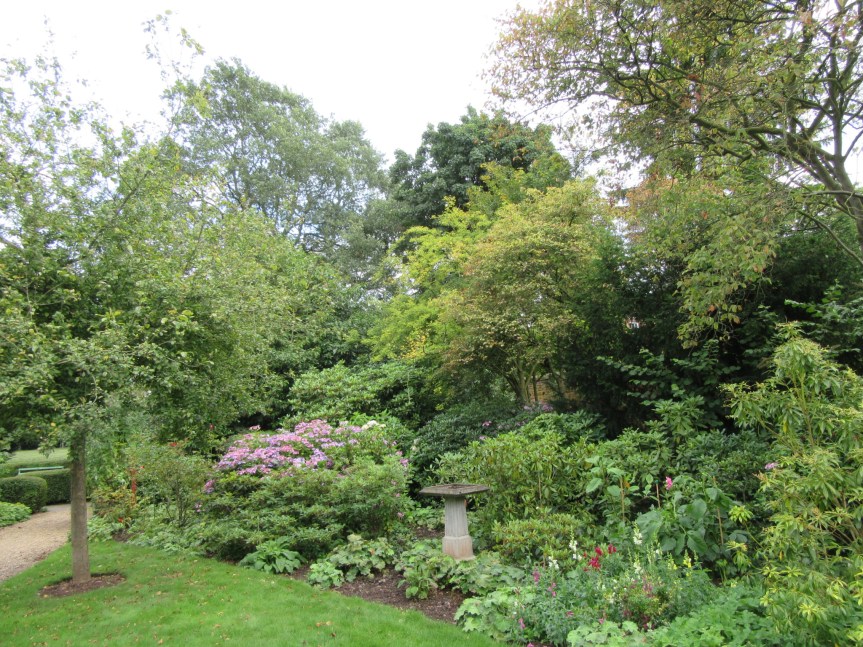
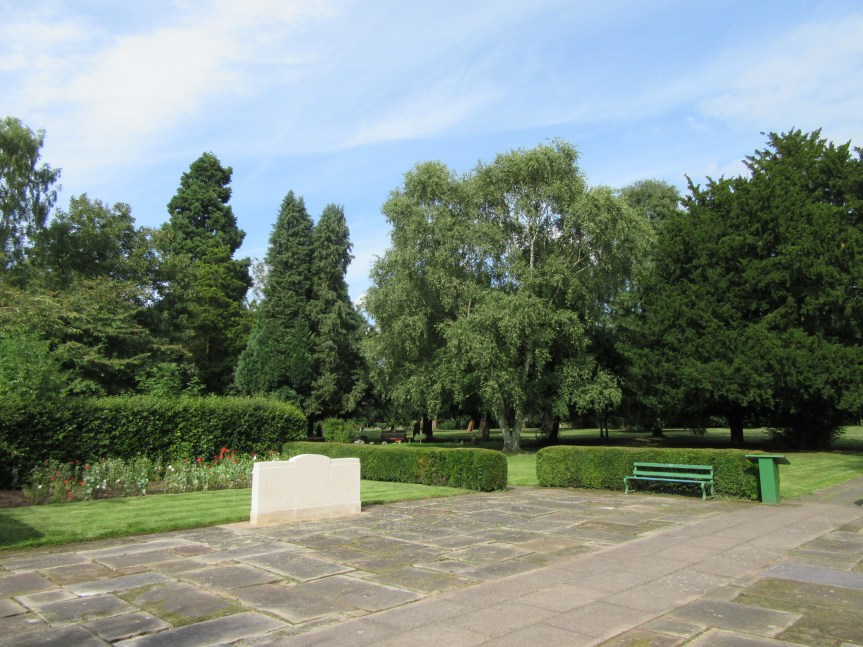
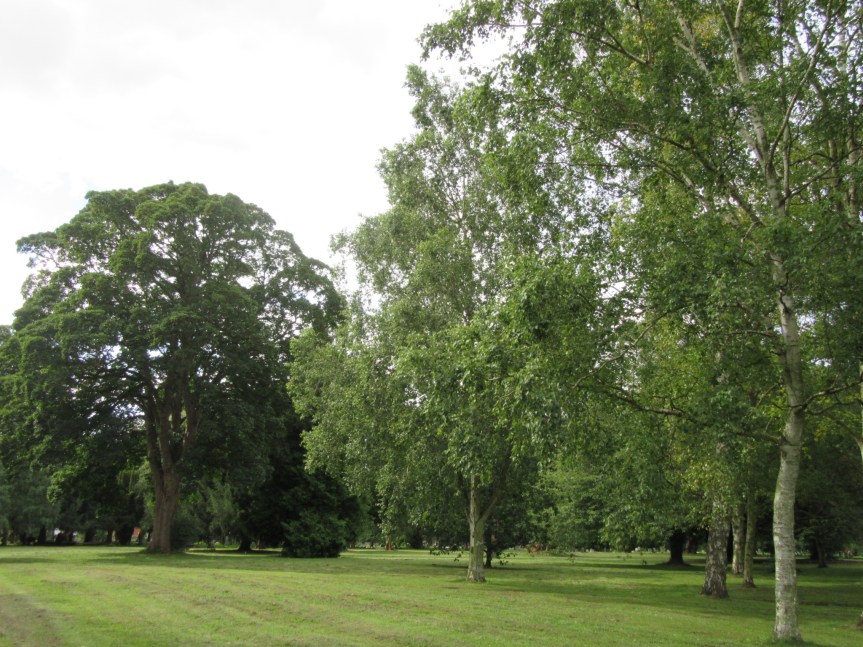
 The gardens are a community initiative, locally funded and run, quite small but having the appearance of being much bigger as they merge seamlessly into the vast grounds surrounding St Andrew’s church, which comprises lawns, the cemetery and woodland. In fact, the church had provided some land for these award-winning gardens.









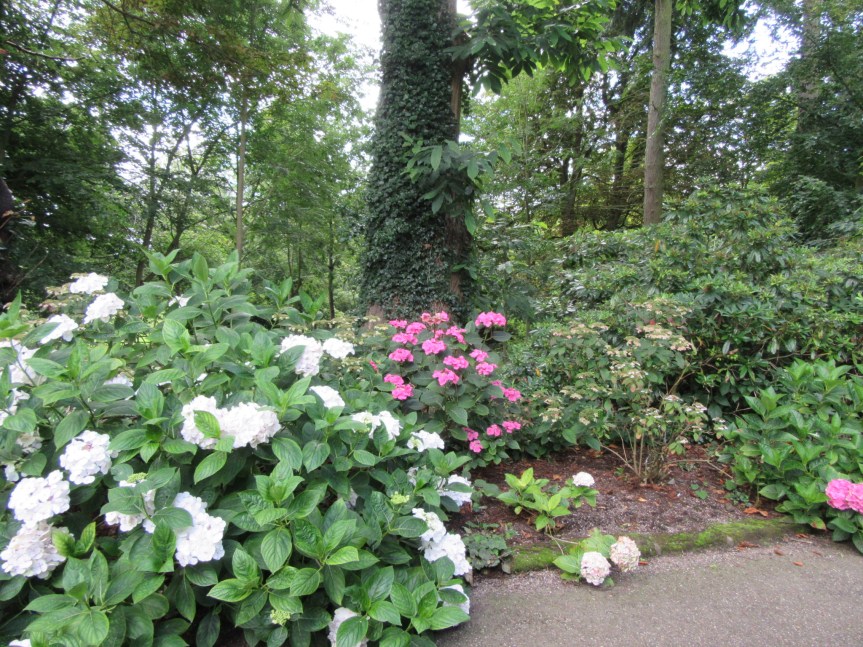
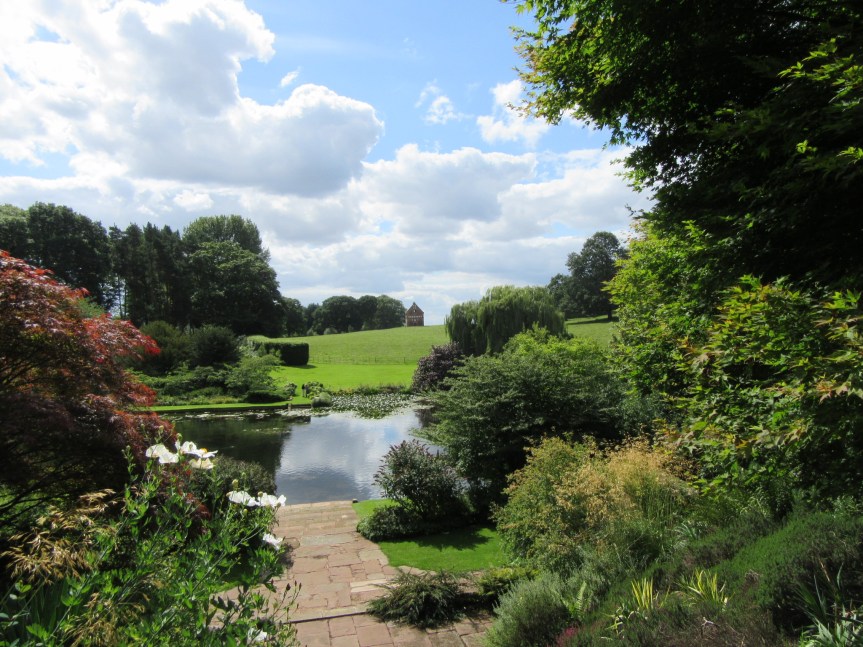
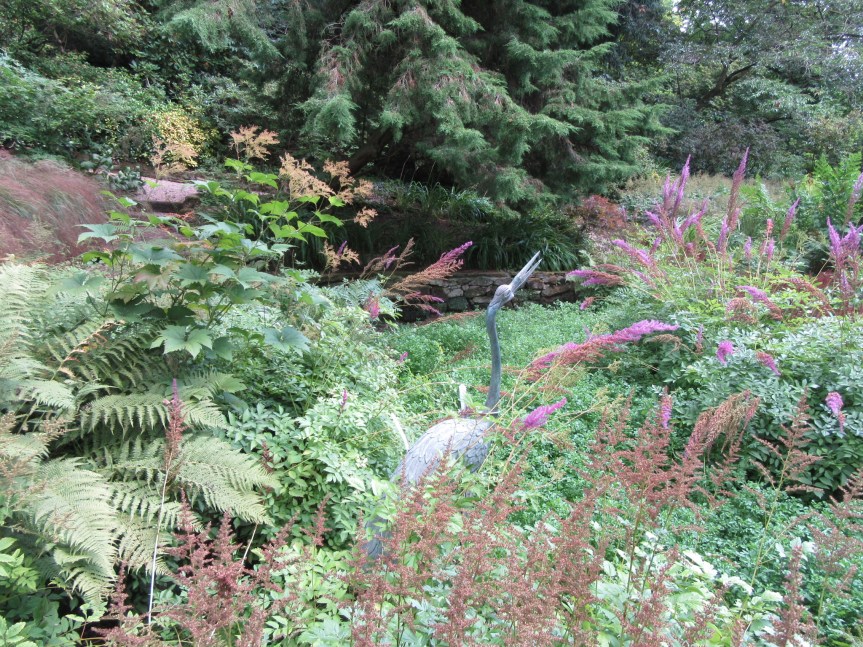
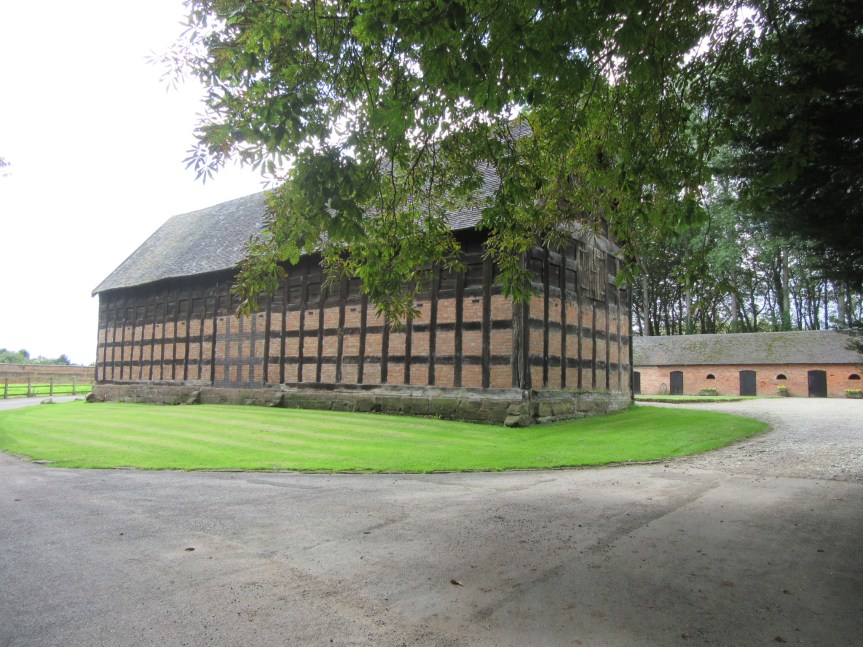
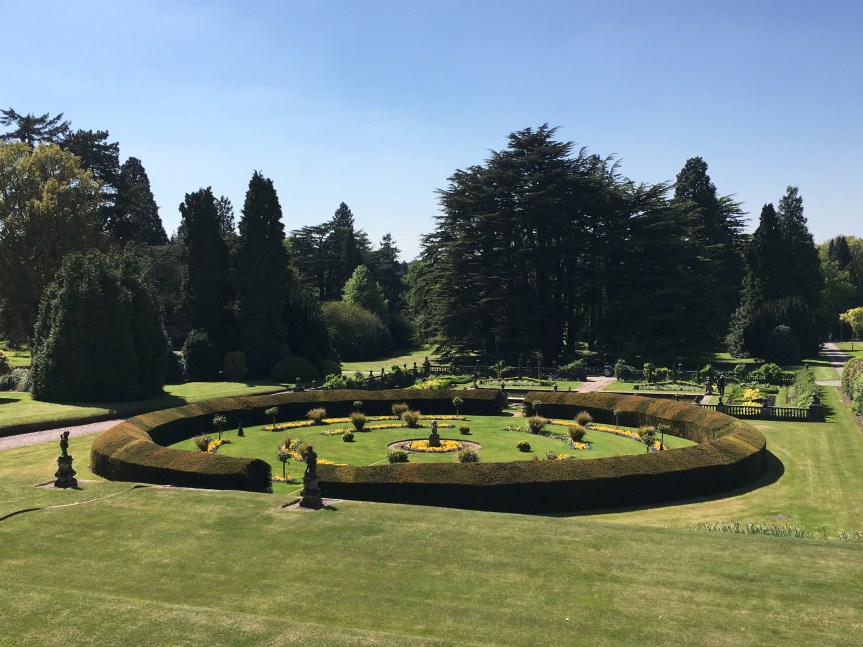
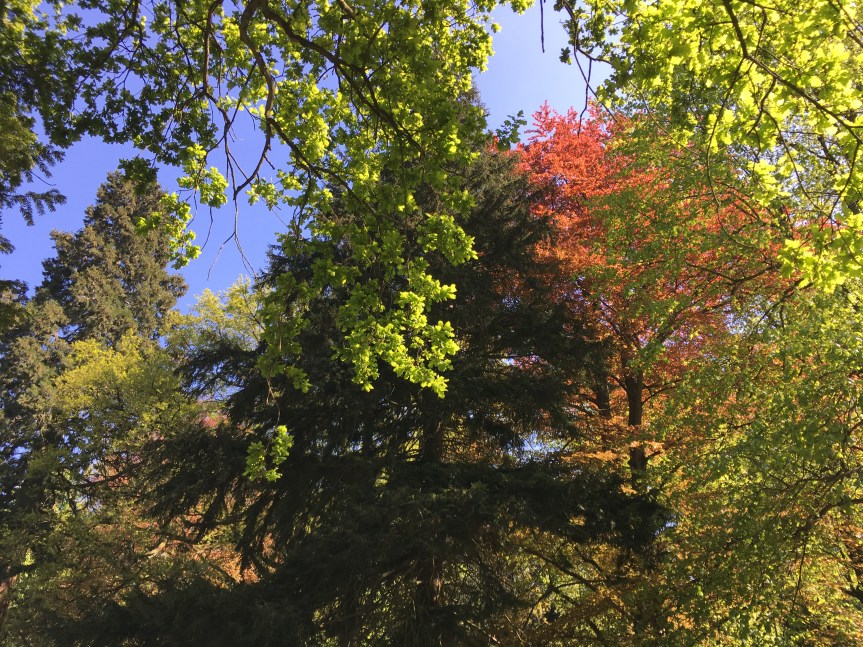
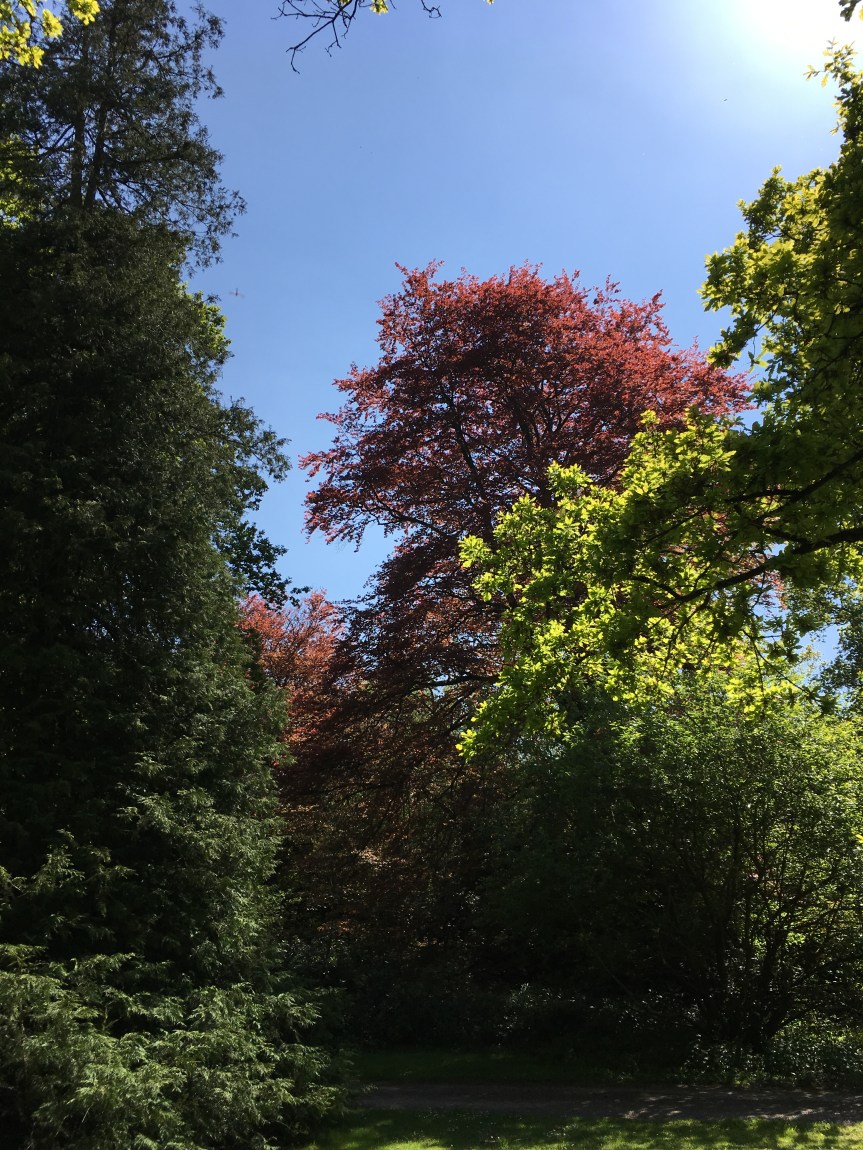
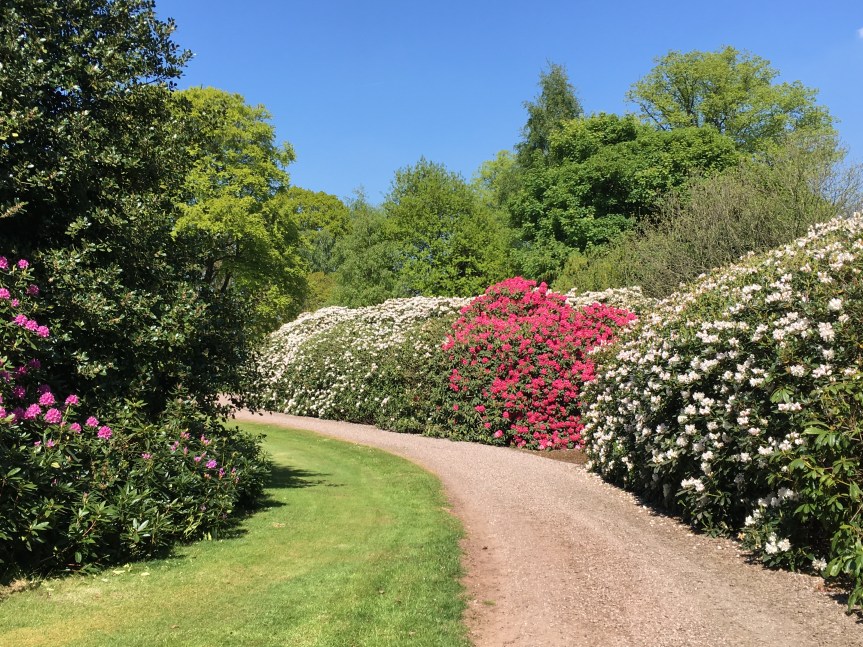
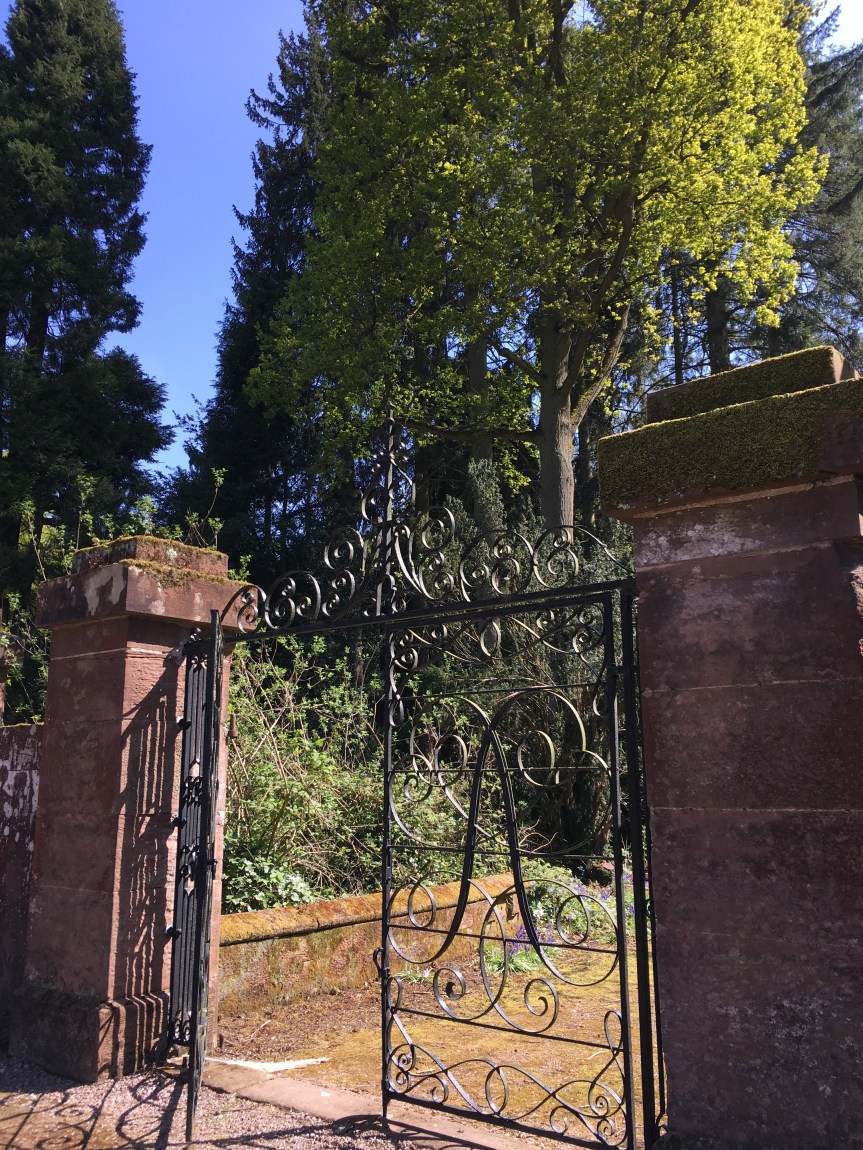
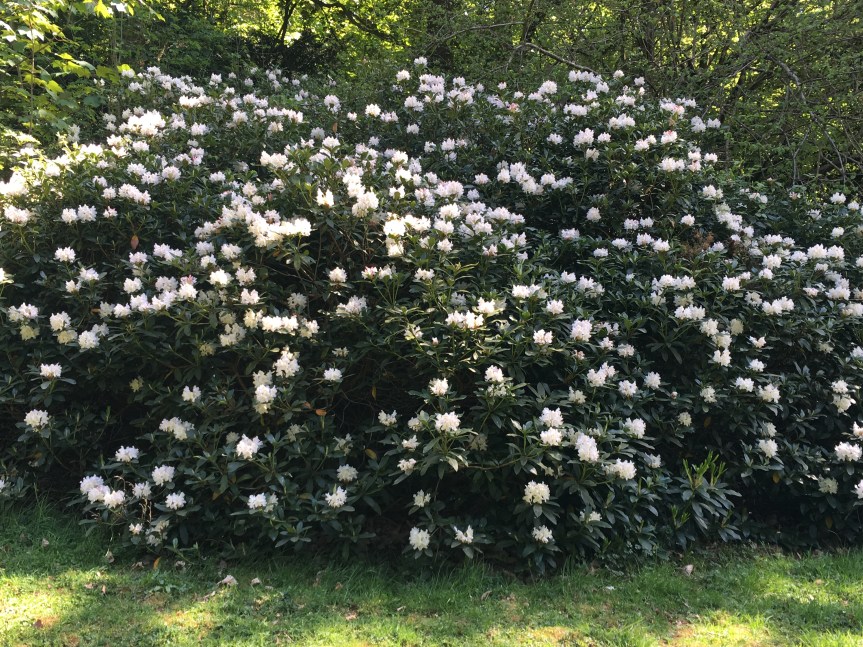
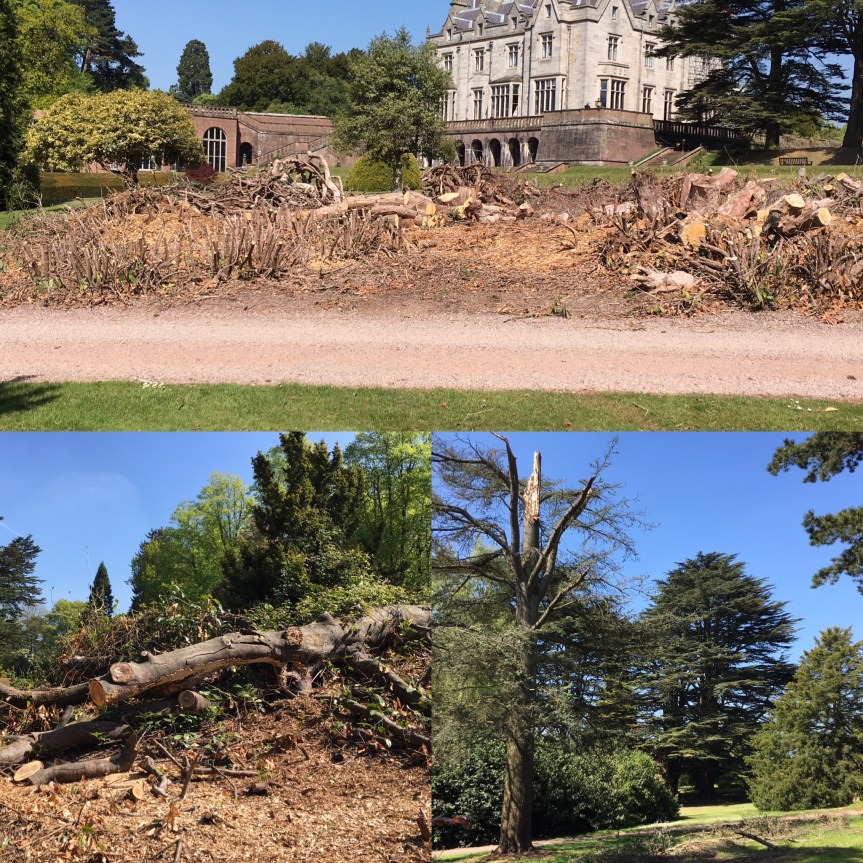
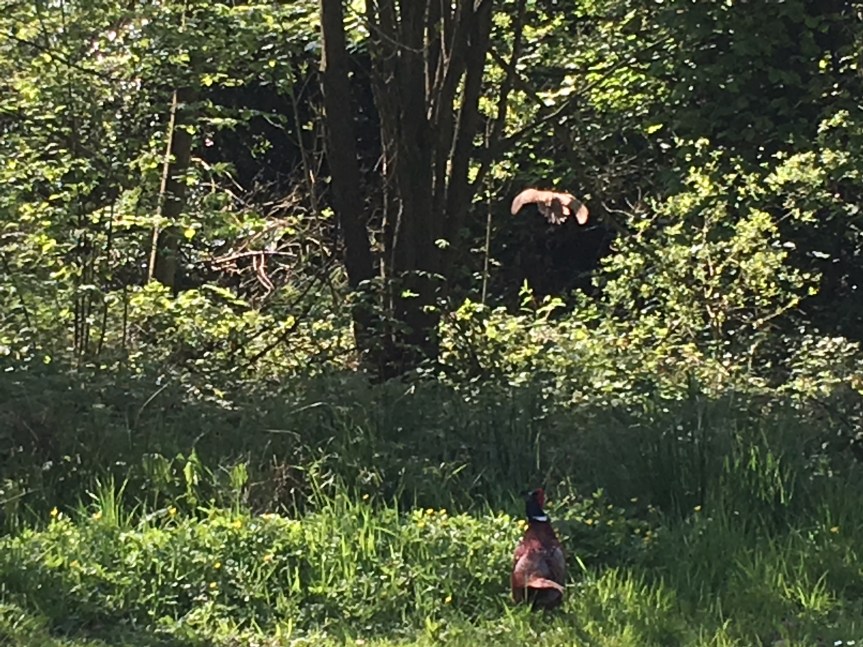
 a new friend, we recently visited the beautiful gardens at Hodnet Hall, a sprawling, centuries-old estate in Shropshire. It has so many trails, gardens, lakes, magnificent trees, waterfalls – there is always something else to discover around the corner.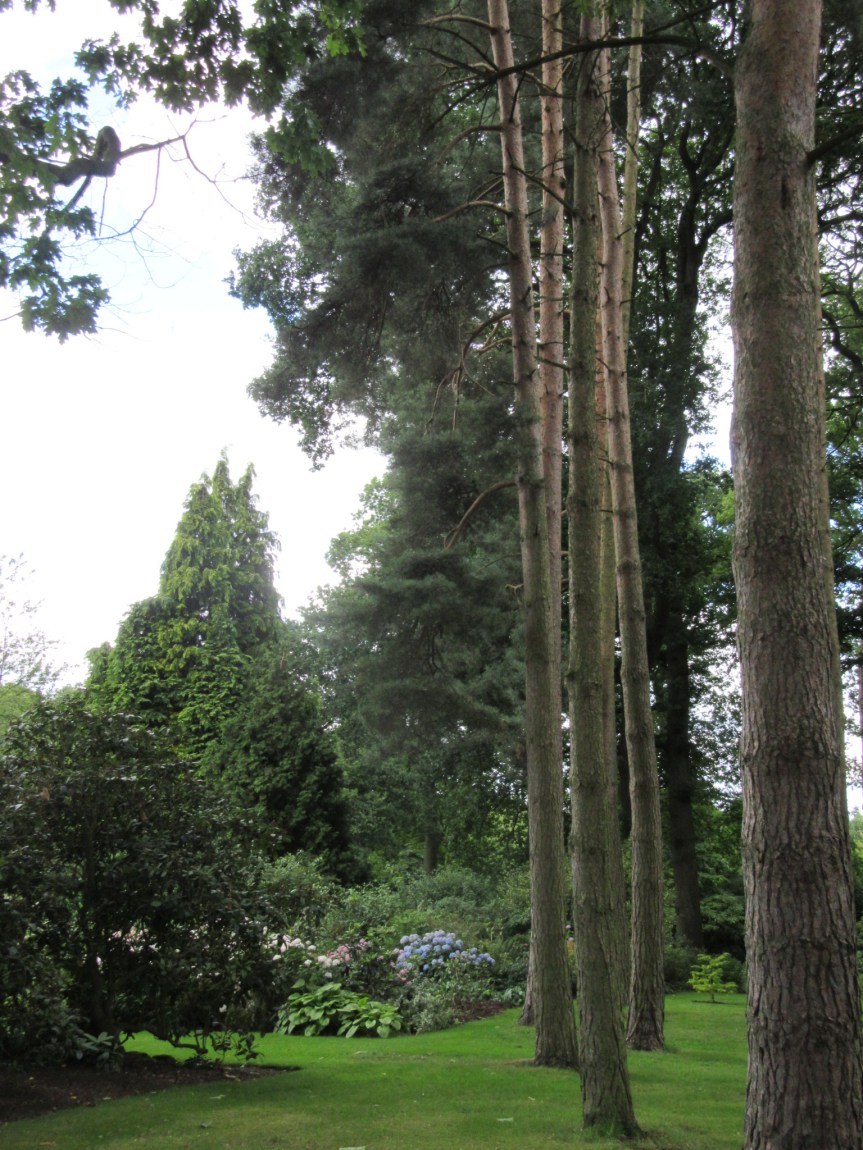





















 pearsnotparsnipsdotcom
You must be logged in to post a comment.